







MajorsAug 05, 2026
Private Equity Firm Wants to Buy 100+ JCPenney StoresOnyx Partners has submitted a second offer to buy the department stores after its first offer fell through last year.






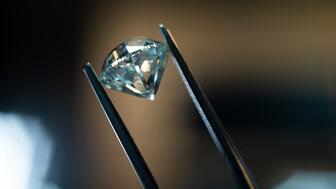
Editor-in-Chief Michelle Graff looks at the reasons why people are getting out of, and not getting into, the jewelry industry.

A few weeks ago, we published a story on the latest quarterly statistics from the Jewelers Board of Trade, which showed that the size of the jewelry industry is continuing to contract, meaning more people are getting out of this business than are getting into it.
The reasons for the industry shrinkage are varied and, though they have been well documented up to this point, after I wrote my most recent JBT story, I began reaching out to retailers and others in the industry to get their perspective. What do they think is the No. 1 factor, or factors, contributing to jewelers closing?
As it turned out, very few could narrow it down to just one thing, but one answer that came up in nearly every reply was this: simple demographics.
The baby boomers, which are the second-largest generation in the U.S., second only to their millennial children, have been running the country’s jewelry stores—and essentially its jewelry industry—for years, but guess what’s happening to them? The same thing that happens to everyone: they are getting old and they want to retire.
I can’t say I blame them.
Retail has changed completely in recent years and in order to keep up in this digital age, jewelers have to figure out new ways of reaching customers and stock different kinds of product—some of which might not be the fine jewelry they are used to—all while fending off online competition and keeping up with the expectations of an increasingly demanding, but not necessarily spendthrift, consumer.
If you were in your mid-50s or 60s and staring down the last five or 10 years of a long career, would you be willing to put in the time and energy to completely change your business if you had the means, or enough of the means, to retire? I wouldn’t.
Some might say the problem is that jewelers are unable to adapt to retailing in the digital age, but I don’t think that’s always the case. I think in some cases it’s more a matter of willingness. Why change

Onyx Partners has submitted a second offer to buy the department stores after its first offer fell through last year.

Solomon Brothers Jewelers has partnered with local cocktail bar Roaring Social on a new martini garnished with a tennis necklace.

Benjamin Siegel, son of President and CEO Hank Siegel, started working for the family business this week.

Retailers are seeking new ways to attract customers, increase traffic, and create revenue – Estate buying events are a popular solution.


The new space features a modern design that blends Bulgari’s Roman heritage with San Diego’s coastal spirit.


Four men were charged in connection with the break-in and accused of stealing $365,000 in cash, jewelry, and designer goods.

André Branch has more than 25 years of experience with various brands, most recently serving as CEO of Ariana Grande’s cosmetics company.
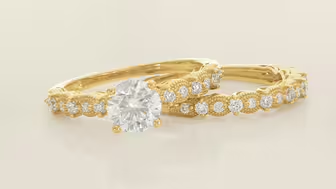
Colored gemstones, artisan finishes, mixed metals, and meaningful details are shaping demand in bridal jewelry.


New York-based atelier Gemlok is best known for creating the innovative “bridge” setting that became popular in the bridal market.

Santana Now's debut collection, “Unidad,” features symbolic motifs as well as pieces of wood from the Woodstock stage.

The 50-year-old man pleaded guilty earlier this year to robbing two jewelry stores and a pawn shop of more than $700,000 in merchandise.

The watch’s dial features an original design by Marvel comics illustrator Adam Kubert.

The new collection of lab-grown diamond and colored gemstone jewelry provides a “fresh perspective” on the category, Chatham said.

While some August babies are team peridot, the month's time-honored birthstone, others are team spinel, the newer alternative.

Edina Kiss’ “Popsicle” pendant and Karina Choudhrie’s “Ice Cream” charm satisfy that summer craving for a sweet piece of jewelry.

The massive billboard has been in the same spot on the department store’s Herald Square flagship store for decades.

The miner’s ruby and emerald auctions brought in a combined $102.9 million.

The goal is for the De Beers sale to be finished by the second half of 2026, with the subsequent approvals process expected to take a year.

David Bonaparte, along with Tim Haake and Ronnie VanderLinden, continue to lobby for tariff exemptions for diamonds, gemstones, and pearls.

Survey respondents were concerned about the rising prices of food and groceries as well as unemployment.

The trade show, slated for Sept. 4-8 in Vicenza, Italy, will feature sessions on trends, AI, gemology, and manufacturing.

The public shopping event featuring art, jewelry, watches, and rare collectibles, will take place in Santa Clara, California, this fall.

Reilly has been with PGI USA for the last 20 years, leading partnership development and professional education.

Boucheron reached record sales while Pomellato found success in its signature collections.


She was one of more than 120 American designers who created flags for the “United Flags of Fashion” project led by CFDA and Vogue.

Smith reveals the method The Retail Smiths use to help retailers and vendors write better job postings.

LVMH’s jewelry and watch brands outperformed the company’s other divisions in an environment the company described as “disrupted.”



This site uses cookies to give you the best online experience. By continuing to use & browse this site, we assume you agree to our Privacy Policy