






Policies & IssuesJul 24, 2026
New Trump Tariffs: What They Mean for Jewelry The new sweeping slate of tariffs impacts 60 countries, including India, China, Thailand, Hong Kong, and the United Arab Emirates.





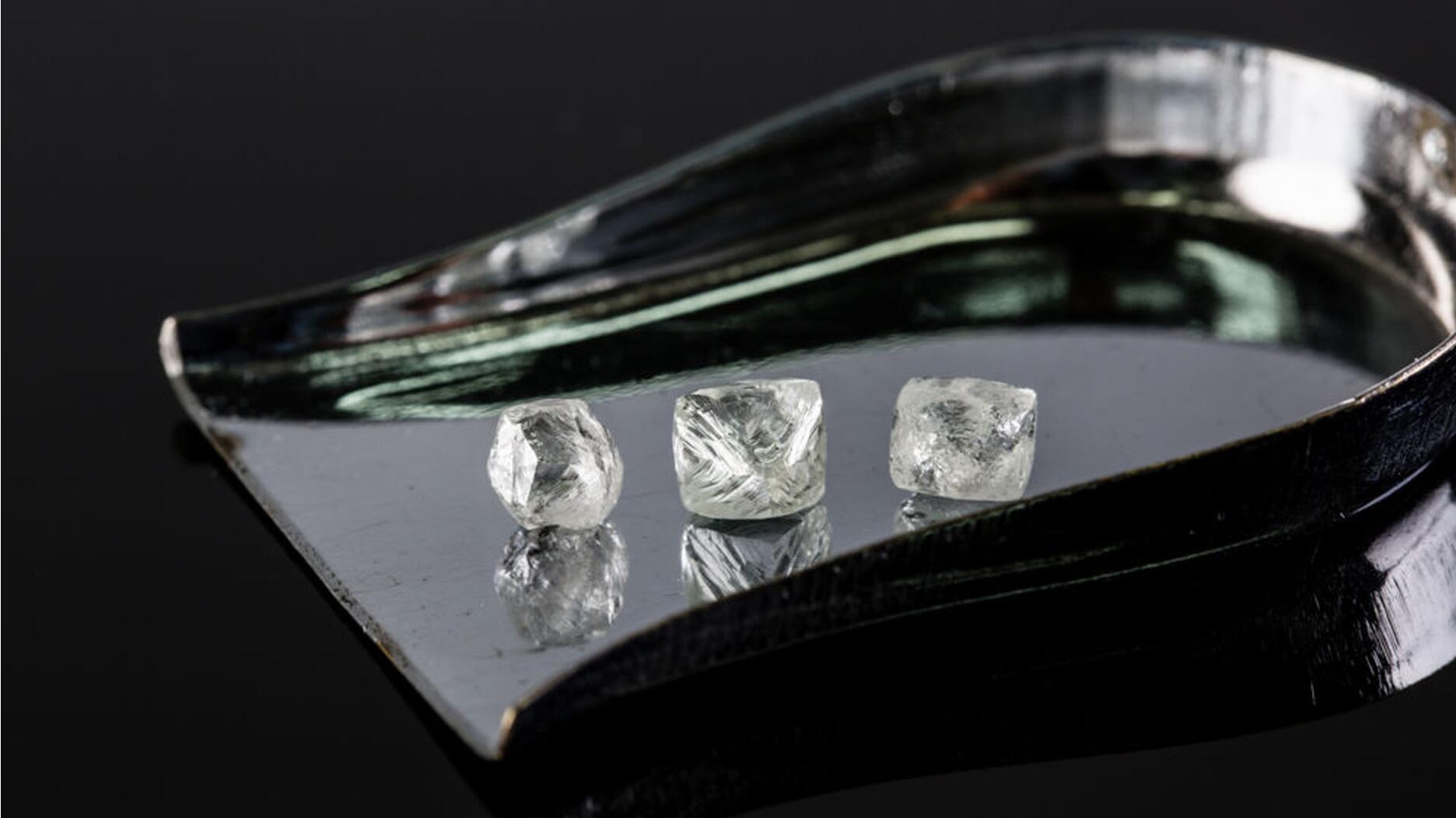
Global Witness warns of widespread diamond smuggling in the Central African Republic, but the country’s government says its claims are false and “lack substance.”

London--Global Witness recently published a report warning of widespread diamond smuggling in the Central African Republic, but the country’s government says claims made in the report are false and “lack substance.”
In the report published June 22, Global Witness outlines the two main issues it currently sees in the Central African Republic, which resumed the export of rough diamonds from certain areas, known as “green zones,” beginning in June 2016 following a three-year suspension from the Kimberley Process.
First is the smuggling of diamonds--some of which are conflict diamonds coming from the eastern part of the country--into neighboring countries like Cameroon, the Democratic Republic of Congo and Sudan.
These diamonds get “naturalized,” meaning they are transported out of CAR without any documentation and then given Kimberley Process certificates from the country into which they are smuggled as if they were mined there, said Global Witness conflict resources campaigner Aliaume Leroy.
He said while it is difficult to say what quantity of rough diamonds are being smuggled, Global Witness spoke with seven diamond dealers for its report, all of whom confirmed that the smuggling continues “on a large scale.”
The second issue raised in the report is the potential export of diamonds that were stockpiled during CAR’s suspension from the Kimberley Process, diamonds that are “at serious risk of having financed armed groups,” the report states.
“They potentially have funded the conflict,” Leroy said. “Those actors who bought the diamonds should not profit from that situation.”
Global Witness recommends that any diamonds in those stockpiles that are believed to have come from the eastern, conflict-ridden part of the country should be confiscated and sold transparently as conflict diamonds, with the profits then cycled back into CAR to fund services for people who have suffered because of the conflict.
About a week after the report was published, the government of the Central African Republic issued a response stating that it “categorically rejects” the “broad” and “non-factual” allegations made in the report, which, the letter points out, were based on a few testimonies from those involved in fraud and “lack substance.”
Signed by Leopold Mboli Fatran, the country’s minister of mines, energy and hydraulics, the letter details the steps the country has taken since being given the go-ahead to resume exports, including implementing reforms to make it possible to control rough diamonds from production sites in compliant zones; the transfer of diamonds in tamper-resistant bags from approved areas


The new sweeping slate of tariffs impacts 60 countries, including India, China, Thailand, Hong Kong, and the United Arab Emirates.

From coin pendants to diamond shields, these old world-inspired jewels are the perfect accessory for an epic journey.

Our Piece of the Week pairs a checkerboard-cut amethyst with an ivy green silk cord.
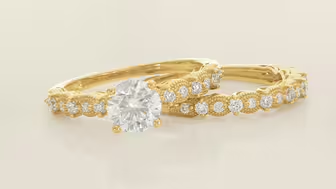
Colored gemstones, artisan finishes, mixed metals, and meaningful details are shaping demand in bridal jewelry.


Mildred Marcano Abrams and Yael Reinhold join the podcast to talk community connections, holiday plans, and preserving Reinhold’s legacy.


“Art Deco” fuses ancestral techniques, rare materials, and modern perspectives as a tribute to the optimism and curiosity of the movement.

The jeweler’s newest store is inside Arkansas’ Saracen Casino Resort.

DCA is preparing the next generation of professionals by supporting workforce development, leadership growth, and career advancement.


The watch company will design, manufacture, and distribute Kate Spade New York watches.

The higher tax is set to go into effect in August and will apply to loose polished diamonds as well as precious and base metals jewelry.

The “Enchanted Garden” series features a cherry, lemon, and pear that each hold a little secret inside.

It’s located in Tysons Galleria, an upscale shopping center in the Washington, D.C., metro area.

The show, recently acquired by Rockview Management Group, will be held at New York City’s Javits Center from Aug. 2-4.

Smith offers retailers guidance on creating an environment where natural and lab-grown diamonds can both thrive.

Former Emerald President and CEO Hervé Sedky has transitioned to the role of senior advisor.

The 12-piece capsule collection transforms from brooches to pendants.

The new tariff, imposed after a Trump administration study, is 25 percent and will stack on top of existing tariffs.

The collection from 2014 has been reinterpreted into high jewelry with its signature triangular-shaped elements.

She will also take on the role of vice president of jewelry for SmartWork Media, a newly created position.

Organizers are looking for presentations on topics like manufacturing, technology and research, bench work, gemstones, and sustainability.

Woodley is seen in the campaign wearing our Piece of the Week, the “Frida” collar featuring 13 pieces of hand-carved Venetian glass.

A WeBuyVintage jewelry expert uncovered how much the flea market find was actually worth.

The founder of natural colored diamond wholesaler Pancis Gems shares stories from his five decades in the industry.

Submissions for the milestone 25th annual Gem Awards will be accepted across three categories from now through July 31.

Valeriya Guzema and Mariana Lenha look back on the last decade and discuss the Ukrainian brand’s first U.S. store.

The diamond mine, which opened nearly 30 years ago in Canada’s Northwest Territories, is expected to shut down by mid-August.

Jewelry sales for the company, which owns Cartier, Van Cleef & Arpels, Vhernier, and Buccellati, rose 21 percent in the first quarter.



This site uses cookies to give you the best online experience. By continuing to use & browse this site, we assume you agree to our Privacy Policy