







IndependentsJun 05, 2026
Pennsylvania Jewelry Store To Close After 79 YearsJim Springer, owner of Dunkelberger’s Fine Jewelry, is heading into retirement.





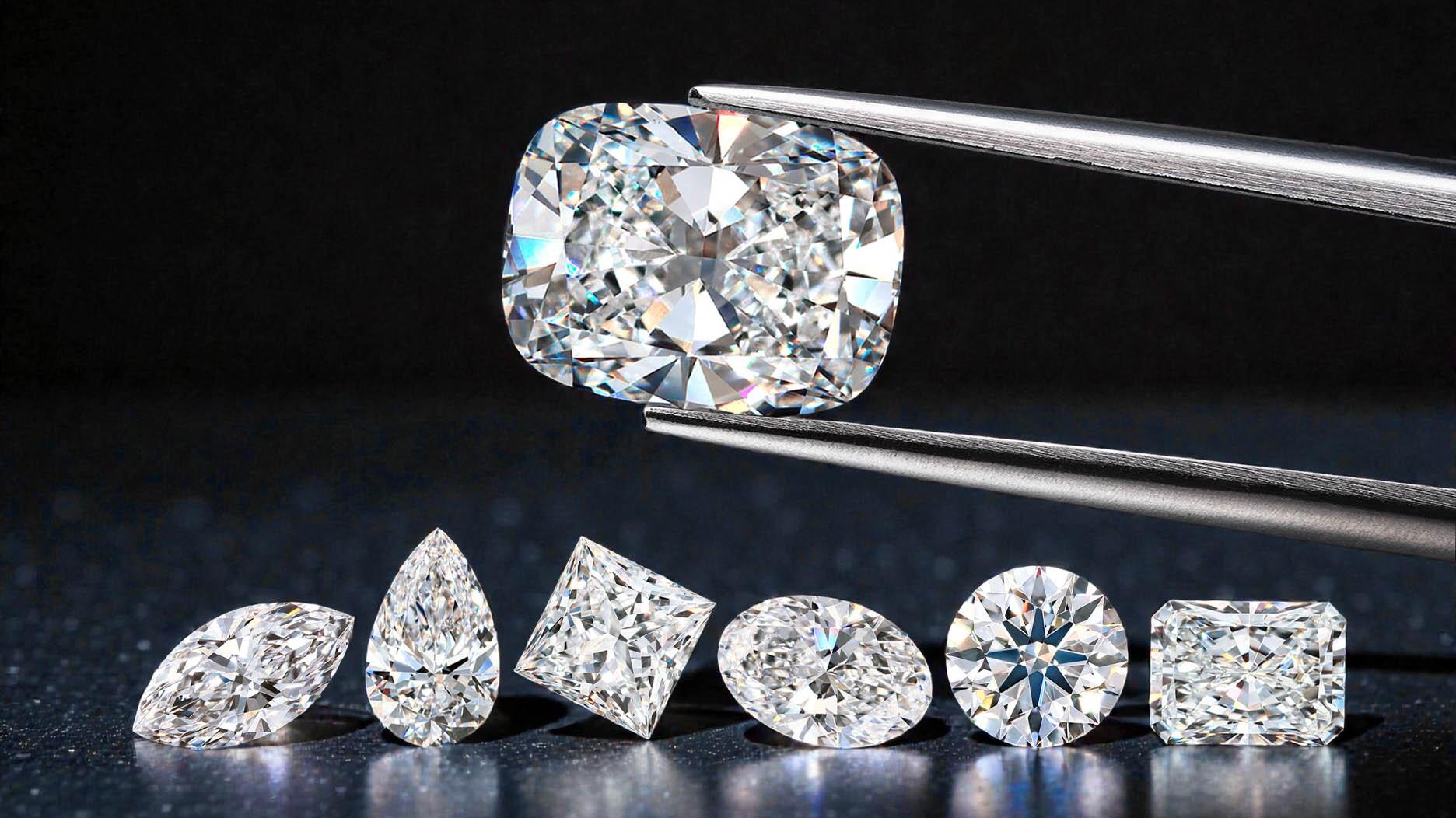
In a recent alert, the JVC reminded the industry that not only must the diamonds they sell be accurately graded but the grading system disclosed as well.


The bottom line is this: members of the industry who make claims about the grade or quality of a diamond that cannot be supported, or who don’t disclose the grading system, could be held liable. This includes telling consumers if the system being used color grades diamonds face up instead of face down (the industry norm), and how this might impact the grade.
In its alert, the JVC outlines four sections of the Federal Trade Commission’s Jewelry Guides that govern claims about diamond grades. Included in the outline are the following.
--FTC Guides require that if a representation is made about a grade, then the identity of the grading system must be disclosed. According to the guides, a representation that a stone is a specific grade is deceptive if the identity of the grading system used is not disclosed. This rule was created to ensure buyers know the basis upon which a grade was assigned and then can make informed comparisons.

--It is unfair and deceptive to misrepresent the grade of a diamond. The subjective element to grading means that there is tolerance in the industry for a diamond to be off by one letter grade; one lab, for example, might say that a diamond is an E color while another would evaluate the same stone and give it an F. The JVC said if a diamond grading case goes to court, the court likely would rely on these industry norms.
Labs that routinely produce reports that over-grade diamonds, “are likely engaging in a pattern and practice of deception,” the JVC said. This exposes them--and the sellers who use their reports--to potential government enforcement, class-action lawsuits brought by consumers (though they are not class actions, consumers already have brought grading report lawsuits in Tennessee) or Lanham Act (Trademark Act) lawsuits brought by competitors.
And, “It exposes the entire buying public to a crisis in confidence,” the JVC said.
Preventing deception
The JVC notes that there are circumstances surrounding diamond grades in which “clear and conspicuous” disclosure will prevent deception. “If a lab report uses a grading method that deviates in some respect from the industry norm, and if the method often results in different grades, this should be disclosed on the report so that the reasonable buyer is able to make an informed purchase.”
The example the JVC cites is the face-down (table-down) method of color grading. This is how the Gemological Institute of America grades its diamonds, and the JVC said it is accepted as the industry norm.
If a lab grades face up (table up), and this frequently results in different color grades than the industry norm, this must be “clearly, understandably and conspicuously disclosed,” the JVC said. “The disclosure should include a description of the practice used (e.g., face-up analysis) as well as the fact that the practice frequently results in different color grades than standard methods.”
The EGL labs outside the United States color grade their diamonds face up. In an interview following the announcement that the EGL International brand would be no more, EGL’s new global manager Menahem Sevdermish acknowledged as much. “Yes, it’s not GIA, it’s different,” he said.
Yet Sevdermish said the network of labs, which used the 0,1,2,3 system of color grading at one point, would continue color grading diamonds using the GIA’s D, E, F terminology, an action with which some disagree.
Martin Rapaport, who quit listing all diamonds with EGL grading reports on his diamond trading network in October in protest of over-grading, told National Jeweler Thursday that he won’t reverse his decision on not listing EGL-graded diamonds as long as EGL continues to color grade its diamonds face up.
He said any labs using GIA terminology need to use the GIA grading system; those not using the same system shouldn’t use the GIA’s terms for color and clarity, a point made in an earlier article by National Jeweler columnist and retailer Jim Alperin.
“It’s the confusion that’s so problematic here and confusion is the kissing cousin of misrepresentation,” Rapaport said.
Editor's note: This article was corrected to reflect the fact that there haven't been any class-action lawsuits regarding diamond grading reports filed in Tennessee. All the suits there have been filed by individuals.

Jim Springer, owner of Dunkelberger’s Fine Jewelry, is heading into retirement.

When conducting its May consumer confidence survey, The Conference Board asked extra questions about consumers’ budgeting strategies.

The “Tunnel” charm, our Piece of the Week, celebrates Pride Month with its design inspired by hope and the light at the end of the tunnel.

As gold prices rise, today’s retailers are looking for alternatives at prices that will appeal to wider audiences.


The jewelry industry is reassessing its positioning as Gen Z reshapes the retail landscape and lab grown continues to gain market share.


Up for auction at Sotheby’s, the collection of Tempelsman’s personal effects includes a Cartier Tank watch Jackie O. gifted him.

The Miami-based fine jewelry brand will host its first summer residency in the Colorado mountain town from June 5 to Aug. 23.

With the trade and customer trust in mind, GIA® developed NextGem™ – on-demand training designed specifically for retail.


The organization also announced its international board of directors for the 2026-2027 term.

Saks Global confirmed the closure this week, spelling the end for a store that’s been part of downtown Dallas for more than 100 years.

Smith discusses how managers should handle a top performer's exit, warning that a poor response could have a lasting impact.

The retailer is bringing Rolex Certified Pre-Owned watches to five U.S. cities in 2026 for collectors to see, try on, and purchase.

The actress and entrepreneur stars in the jeweler’s new campaign that celebrates life’s quiet moments.

The price of gold has risen, affecting the number of pieces designers make, the materials they use, and how they position themselves.

The jewelry retailer is zeroing in on Zales, Jared, Kay Jewelers, and Blue Nile as it looks to create unique brand identities for each.

Dr. Akinwumi Adesina, a development economist, will head the fund created to help Botswana diversify its economy.

Sotheby’s has appointed the former Phillips executive as its global head of private sales and retail in its watches division.

A private collection of five Paraíba tourmalines also will be up for sale at Sotheby’s High Jewelry auction in New York, scheduled for June 16.

From Gen Z’s view of luxury to “doom spending,” these are the six consumer trends to note this year.

The show started by honoring Mildred Marcano, ended with a tearful Beth Anne Bonanno, and recognized a dozen-plus designers in between.

The revamped online diamond marketplace will feature pricing intelligence and data-driven tools for more efficient buying and selling.

The miner said demand for higher-quality emeralds is stable, but there is notable caution in the market.

The “River of Heaven” necklace, our Piece of the Week debuting at Couture, combines 26 salt and pepper diamonds spaced by Tahitian pearls.

This year’s inductees include second-, third-, and fourth-generation jewelers.

The author, speaker, and entrepreneur will give his presentation, “Spiritual Billionaire,” on Saturday morning.

Three-time Grammy award-winning artist Nelly is set to perform at the annual event at Tao Beach on Sunday night.

Signet will integrate the online-only, natural diamond-focused jeweler into Blue Nile, which it wants to position as a higher-end retailer.



This site uses cookies to give you the best online experience. By continuing to use & browse this site, we assume you agree to our Privacy Policy