






CollectionsMay 19, 2026
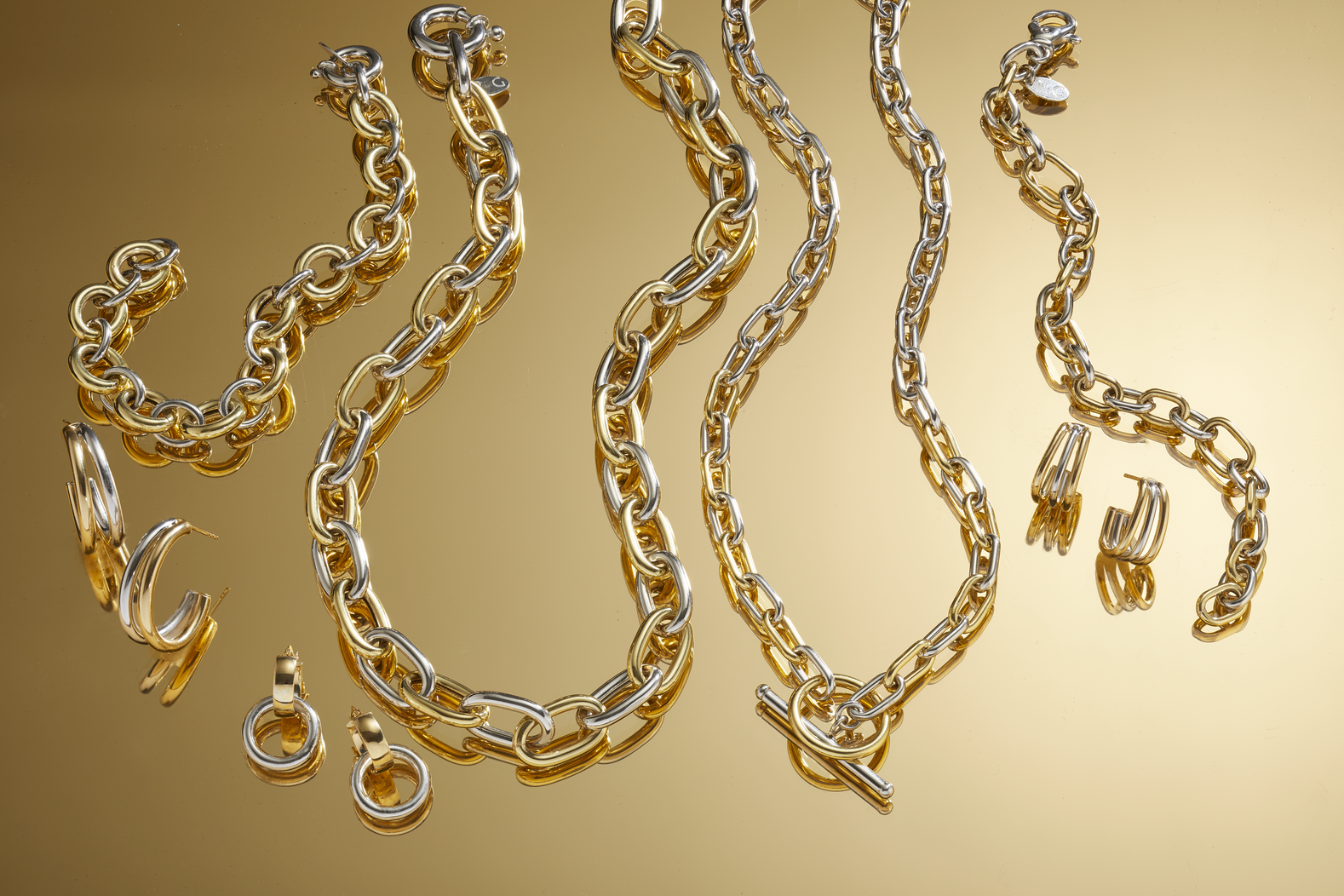
Chris Ploof’s New Collection Makes an Ancient Medal ModernWith gold prices on the rise, the “Modern Electrum” collection uses an alternative, non-tarnishing metal alloy composed of gold and silver.





Jess Gendron gives a history lesson on the mid-19th century high-tech boom that started with a watch company called Waltham.


Most people don’t know it, but there was a high-tech boom in the middle of the 19th century. It began in 1848 when three guys got together in Roxbury, Massachusetts and started a watch company with some radical ideas.
Today, if you have the latest iPhone, you have a piece of modern high-tech. But in the 19th century, high-tech was owning an American timepiece.
Edward Howard, David Davis and Aaron Lufkin Dennison started what would become the Waltham watch factory. The strange ideas these guys had was to make a reliable watch that used standardized parts and was assembled on an assembly line. I know some of you will think that Henry Ford was the inventor of the assembly line but, actually, he invented the automotive assembly line. It was Edward Howard who was the first to use an assembly line for any manufacturing process in 1850, for standardized watches.
What the term standardized parts means is the replacement parts did not have to be made by the watchmaker. Instead, the watchmaker would only need to order parts from the supply house, as all the replacement parts are identical. This was the first such industry to use standardized parts.
Now, getting back to high-tech in the 19th century, the need for accurate time-keeping was getting acute due to the advent of the railroad and the telegraph. American watchmakers heard the call.
Before the 1850s, the only people who could afford a watch or a clock were either very rich private citizen or royalty. Timepieces were then, as today, an outward sign of affluence.
After the Civil War (1861 to 1865), many more American watch companies sprang up, with the need for accurate timekeeping being demanded by railroad companies as well as the public at large. Among the first was Elgin, started in 1866 in Elgin, Illinois. With a loan from “Big Billy” Raymond, mayor of Chicago, the factory was opened on the model that Waltham had created in Massachusetts.
In 1869 the transcontinental railroad was completed, joining the east and west, and with the railroads building new lines of track at a feverish pace, the need for accurate time-keeping was beyond critical--it was necessary. In the 1890s there was a train accident that killed many people. One engineer was using a dollar alarm clock and the other train conductor was using a railroad-grade pocket watch. The engineer with the alarm


With gold prices on the rise, the “Modern Electrum” collection uses an alternative, non-tarnishing metal alloy composed of gold and silver.


Fruchtman Marketing has new owners, Erin Moyer-Carballea and Manuel Carballea, and will relocate to Miami.

In a column for the 2026 State of the Majors issue, Smith lists 10 time-tested principles about sales that still ring true.

With the trade and customer trust in mind, GIA® developed NextGem™ – on-demand training designed specifically for retail.


In a column for the 2026 State of the Majors issue, Golan spells out how the growing economic divide in the U.S. is reshaping the market.


The “Limitless Expansion of Joy and Hope” collection evokes summer through colored gemstones and motifs of butterflies and florals.

The jewel, circa 1890, is from the late Victorian era and was owned by descendants of the last high king of Ireland.

Gain access to the most exclusive and coveted antique pieces from trusted dealers during Las Vegas Jewelry Week.


This is what the nine recipients plan to do with the funds.

The Western star’s 14-karat gold signet ring sold for six times its low estimate following a bidding war at U.K. auction house Elmwood’s.

The discussion, "Rebuilding the Jewelry Workforce," will take place on Saturday, May 16, in Troy, Michigan.

The jewelry industry is reassessing its positioning as Gen Z reshapes the retail landscape and lab grown continues to gain market share.

A matching pair of 18.38-carat, D-color diamonds from Botswana’s Jwaneng mine sold for $3.3 million, the top lot of the jewelry auction.

Sponsored by A Diamond Is Forever

The next generation of lapidarists are entrepreneurial, engaged online, and see the craft as a means for artistic expression.

It was the second auction appearance for the fancy vivid blue-green diamond, which sold for $7.8 million at Christie’s Geneva 12 years ago.

Members of the U.S. Marshals Task Force took a 22-year-old man into custody. He was charged with tampering with evidence.

While the overall number of crimes was down, there were more incidences in which robbers pulled out guns, mace, or rammed cars into stores.

Jack Sutton Fine Jewelry is closing its store inside the downtown shopping center after 40 years in business.

Reena Ahluwalia’s painting of the rare red diamond is the first contemporary painting to join the National Gem Collection.

The price of gold has risen, affecting the number of pieces designers make, the materials they use, and how they position themselves.

Peter Smith gives tips on leading meetings, developing marketing, and making trade show appointments in the age of short attention spans.

The 11-piece “Medallions” capsule collection features five motifs: a crying eye, a heart on fire, a spiral, a flower, and a swallow.

From Gen Z’s view of luxury to “doom spending,” these are the six consumer trends to note this year.

The partners have announced the second cycle of the program, which has expanded to include a $25,000 student scholarship.

The owners of Staats Jewelers are heading into retirement.

Jeffrey Gennette, who retired in 2024 after 41 years with Macy’s, is the newest member of the jewelry retailer’s board of directors.



This site uses cookies to give you the best online experience. By continuing to use & browse this site, we assume you agree to our Privacy Policy