




CrimeOct 01, 2026
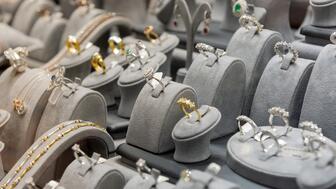
Police Looking for 4 Suspects in $600K Smash-and-Grab RobberyDubai Jewelers in Springfield, Virginia, was once again the target of an armed robbery.





The GIA’s Tom Moses explains the reasoning behind the more general color and clarity grades the lab assigns to synthetic stones.


Dubai Jewelers in Springfield, Virginia, was once again the target of an armed robbery.

YouGov’s 2026 U.S. Most Recommended Brands report’s out, and a fast-fashion giant is sitting at No. 1 while Rolex is just shy of the top 5.

Proceeds from its jewelry raffle will benefit an organization working in India to combat silicosis, a lung disease affecting stone cutters.

Experience gemstones with greater precision and comfort than ever before.


The rings, crafted by Jason of Beverly Hills, celebrate the hockey team’s Stanley Cup win with design elements that honor its traditions.


This roundup of birthstone jewelry for October features vibrant tourmalines and opals with personality.

President Duma Boko spoke at back-to-back events in the city last week, touting Botswana’s stability and the diamond “bounceback.”
Submit your pieces for a chance to win in this year's competition.


The catalog showcases 112 new, one-of-a-kind pieces amid highlights from the jeweler’s historic archive.

Its Montepuez Ruby Mining operation in Mozambique, which is not yielding enough high-quality rubies, has taken a $125 million hit.

Those surveyed were worried about the present and the future, with write-in responses mentioning high oil and gas prices.

The event will take place on the evening of Oct. 26 in New York City.

She is remembered for her joie de vivre, upbeat personality, genuine interest in other people, and love of the Alabama Crimson Tide.

Online bidding is open now for Julien’s sale of items owned by the “Walk On By” singer, whose final album comes out this fall.

The founder and executive chairman of Stuller Inc. is being honored for his impact on the jewelry industry at the 25th annual Gem Awards.

December is the most popular month to propose, and jewelers need to keep that in mind when planning their holiday marketing.

Cat ladies of the jewelry world, unite. Sandy Lerner’s collection of cat jewelry and other objects is going up for auction Wednesday.

“Vibrations” features several firsts for De Beers’ high jewelry, including the use of chalcedony and diamonds sourced from artisanal miners.

The “Bows” collection features three interpretations of the bow motif designed with Georgian and Victorian influences.

The American Gem Society recognized industry members, one Guild, and a law enforcement official for their contributions to jewelry.

Through a new system integration, customers can now receive instant personal jewelry insurance quotes at the time of appraisal.

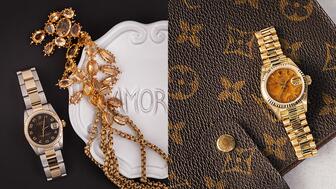
Five of the 10 fastest-appreciating Rolex models on Bob’s Watches were Datejust 31 or Lady Datejust watches.

The Sherwood family and AJS Creations CEO Tejas Shah purchased the jewelry chain back from Palladium Equity Partners.

“The Elizabeth Taylor Collection” uses lab-grown diamonds and gemstones in contemporary designs inspired by the icon.

The artist wore Dana Rebecca Designs’ marquise diamond-set gold hoops at the Chiefs game last Sunday. Now they’re our Piece of the Week.

JSA and Jewelers Mutual shared advice on spotting suspicious behavior, combatting cell phone jammers, and staying safe at home.




This site uses cookies to give you the best online experience. By continuing to use & browse this site, we assume you agree to our Privacy Policy