







AuctionsSep 18, 2026
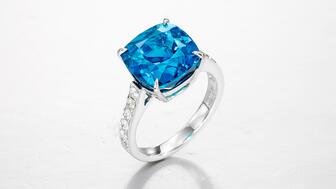
7.52-Carat Unheated Paraíba Tourmaline Sells for $1.3M at Sotheby’s The top lot of the auction house’s Hong Kong jewelry sale was an Art Deco Mauboussin necklace with ruby beads, which sold for $2 million.





Dealers at The Original Miami Beach Antique Show dish on the telltale signs that something is a reproduction and the importance of experience.


Last week I was in Miami for The Original Miami Beach Antique Show and the following happened, in this order:
--I gave a talk on the history behind the squash blossom necklace at the Jewelry History Series with minimal heckling;
--I heard a number of other informative presentations, including one on World War II “Sweetheart Jewelry” by Jan Krulick and another from John P. Walcher of Chicago auction house Toomey & Co. on the jewelry made in the Windy City during the Arts & Crafts movement, particularly at The Kalo Shop;
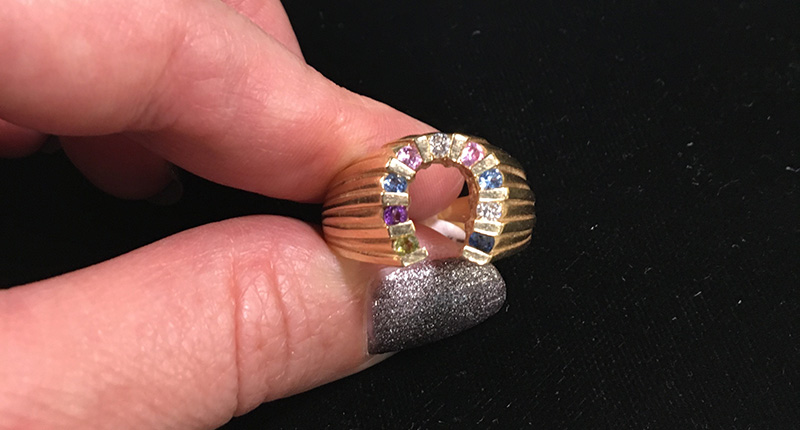
--I saw some incredible jewelry (some of which is pictured here) and made great new friends; and
--I dipped my toes in the Atlantic Ocean (translation: I attempted to get only my feet wet but underestimated the waves and ended up with jeans soaked to the knees.)
Along the way, I stopped to chat with dealers at the show to get their advice on antique and estate jewelry buying for those who are opening a store (brick-and-mortar or online), taking over the buying responsibilities at an established store or looking to get into the business.
The advice I heard repeated most often wasn’t so much advice as it was a statement of fact: second-hand buying is mainly about experience. Being a good buyer comes from years of looking at and handling jewelry and, as with anything else, making mistakes along the way.
“The more you handle, the better you get,” New York-based dealer Hartley Brown told me at his booth while allowing me to handle some beautiful mandarin garnets. “It’s experience.”
And when I stopped by the booth of Kurt Rother of Los Angeles-based Excalibur on Saturday afternoon and asked him how to tell if a piece of allegedly antique jewelry is a reproduction, he summed it up like this: “years of experience.”
There were, however, a few specific tips that I was able to glean from the dealers I spoke with in Miami.
1. Examine the jewelry from all angles, carefully.
Look at the back of a piece of jewelry, Brown advised, not just the front. Good antique jewelry will be expertly finished but, as we will get to under No. 2, not without signs of wear.
Diane Richardson of The Gold Hatpin in Oak Park, Illinois, said to always examine a piece of jewelry with a loupe before buying—look at the stamp, check the findings, check the prongs.


The top lot of the auction house’s Hong Kong jewelry sale was an Art Deco Mauboussin necklace with ruby beads, which sold for $2 million.

Retailers and manufacturers headed to the Capitol this week to discuss tariff exemptions for diamonds and gemstones, among other issues.

Our Piece of the Week is a pair of drop earrings from the “Sway” collection featuring Nanis’ first use of mirror-polished gold.

Experience gemstones with greater precision and comfort than ever before.


SynthDetect 2 can scan a full tray in less than five minutes, De Beers said, making it six times faster than its predecessors.


Two metal detectorists discovered the ring, which may have belonged to English noblewoman Matilda of Lancaster, in Suffolk.

The bill has a provision that allows the president to raise tariffs on countries that import Russian oil and gas to as much as 100 percent.
Submit your pieces for a chance to win in this year's competition.


The American Gem Society presented the annual award to a former president of its board.

The “Chrysalis” capsule centers butterfly motifs representing growth, transformation, and the unfolding of who you are.

Jewelers of Louisiana presented Patton, the third-generation president of Pattons Fine Jewelry, with the award at its annual convention.


Two special guests join the podcast to commemorate the 10th anniversary of the designer advocate, mentor, and author’s untimely passing.


McCormack brings sea-inspired motifs from her “Beaches” collection to L’Objet’s tableware, vanity pieces, and first-ever cutlery set.

Nine New Jersey jewelers have been victims of smash-and-grab robberies this year, prompting JSA to circulate a list of recommendations.

Marlin “Brian” Hood, who has been with the store for 20 years, will succeed Ricky Bromberg, who died earlier this month.

The new bridal catalog features the latest jewelry collections and designs from timeless classics to modern silhouettes.

Jennifer Shaheen compares this new era of AI-powered SEO to a video game: your website must clear one level before advancing to the next.

The program highlights “Made in Italy” fine jewelry with digital merchandising, sales education, and local marketing support.

The stores that have a great December are the ones that made good decisions in August, September, and October, Sherry Smith writes.

The 22.09-carat fancy yellow “Pragnell Kimberley Sunshine Diamond” is part of the fall jewelry sale at Heritage Auctions.

“Adornos: Jewelry, Memory & What We Pass Down” honors the jewelry’s importance to New York City’s Latine communities.

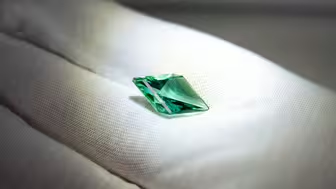
The company’s managing director of sales said the results demonstrate “continued strong demand for commercial-quality emeralds.”

The nonprofit awarded a grant to the Gift of Sight initiative spearheaded by South African musician Black Coffee.

The Latine-owned New York jeweler is marking two milestones this year: its 50th anniversary and the 25th anniversary of the 9/11 attacks.

The jewelry retail broadcast network has sponsored a new space for Make-A-Wish East Tennessee on its campus in Knoxville.

The recipients were recognized at the 24 Karat Club of the Southeastern United States’ annual banquet.

Keith Rolfe, CFO and COO of Lagos, is now at the jewelry brand’s helm while Steven takes on the role of executive chairman.



This site uses cookies to give you the best online experience. By continuing to use & browse this site, we assume you agree to our Privacy Policy