


Events & AwardsMay 22, 2026
Instore Buys JA New York ShowThe deal closed this week, which means Instore will produce the JA NY show slated to take place this fall.




It’s allegedly the end of the retail world as we know it, but Associate Editor Lenore Fedow feels fine.


Have you ever seen “Doomsday Preppers”? It was a show on National Geographic that followed around people who were preparing for the end of the world.
Whether it’s a collapse of the global financial system or a natural disaster, these preppers are convinced the end is nigh, stockpiling barrels of water and freeze-dried dinners.
I’ve heard retail is going to meet a similar disastrous ending, complete with boarded-up storefronts as far as the eye can see and parking lots full of tumbleweeds. UPS trucks will whiz by crumbling strip malls to deliver everyone’s latest Amazon purchases.
The “retail apocalypse.” The mall meltdown.
There have been quite a few clever names used to describe the mass closure of retail stores across the United States.
Household-names retailers like Toys “R” Us and Payless have closed for good, with mall favorites such as Charming Charlie, Avenue, Gymboree and Dressbarn following suit.
More than 7,900 stores have closed as of August, according to Coresight Research, with the number estimated to reach 12,000 by the end of the year.
Investment bank UBS predicts an additional 75,000 stores will close by 2026.
Those are scary statistics at face value, but a step back may calm your nerves.
Statistics are most useful when put in context, so let’s do just that.
Retailers opened more stores than were closed in 2019.
I like to bring data to my stories, even the more informal, first-person ones.
In preparation for this blog, I read through two studies, each of which came to two totally different conclusions about the state of retail.
Research group IHL said more stores had opened than closed this year, counting 8,428 closures and 11,393 openings.
A study by Coresight Research concluded the opposite, finding 7,922 closures and 3,231 openings.
I took a look into the discrepancy and found that the difference in data stems from what exactly the group considers to be a retailer.
Coresight Research found more closures than openings because its retailer pool was narrower, focusing mainly on department stores and specialty retail stores.
In contrast, IHL looked at 1,660 private and public retailers with 50 or more stores, spanning nine different retail segments from department stores and specialty retail to superstores and chain restaurants.
Across the nine segments, for each company closing stores, 5.2 are opening stores, according to the IHL study.
Department and specialty stores have closed 9,651 locations since January 2017. All other segments have opened nearly twice that many, seeing a net increase of 18,226.
After

The deal closed this week, which means Instore will produce the JA NY show slated to take place this fall.

The company’s jewelry sales were up in Q4 and the fiscal year, with Richemont raising prices in part because of the cost of gold.

The “Bauble” capsule collection of colorful one-of-a-kinds includes our Piece of the Week, the “Bauble” earrings, featuring rose zircon.

As gold prices rise, today’s retailers are looking for alternatives at prices that will appeal to wider audiences.


The updated catalog has a newly dedicated section for gift wrapping.


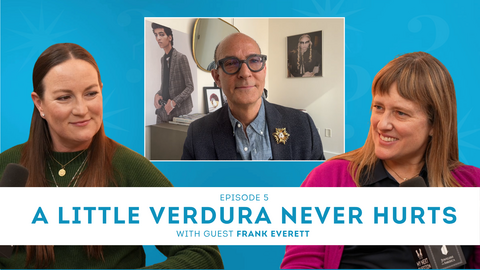
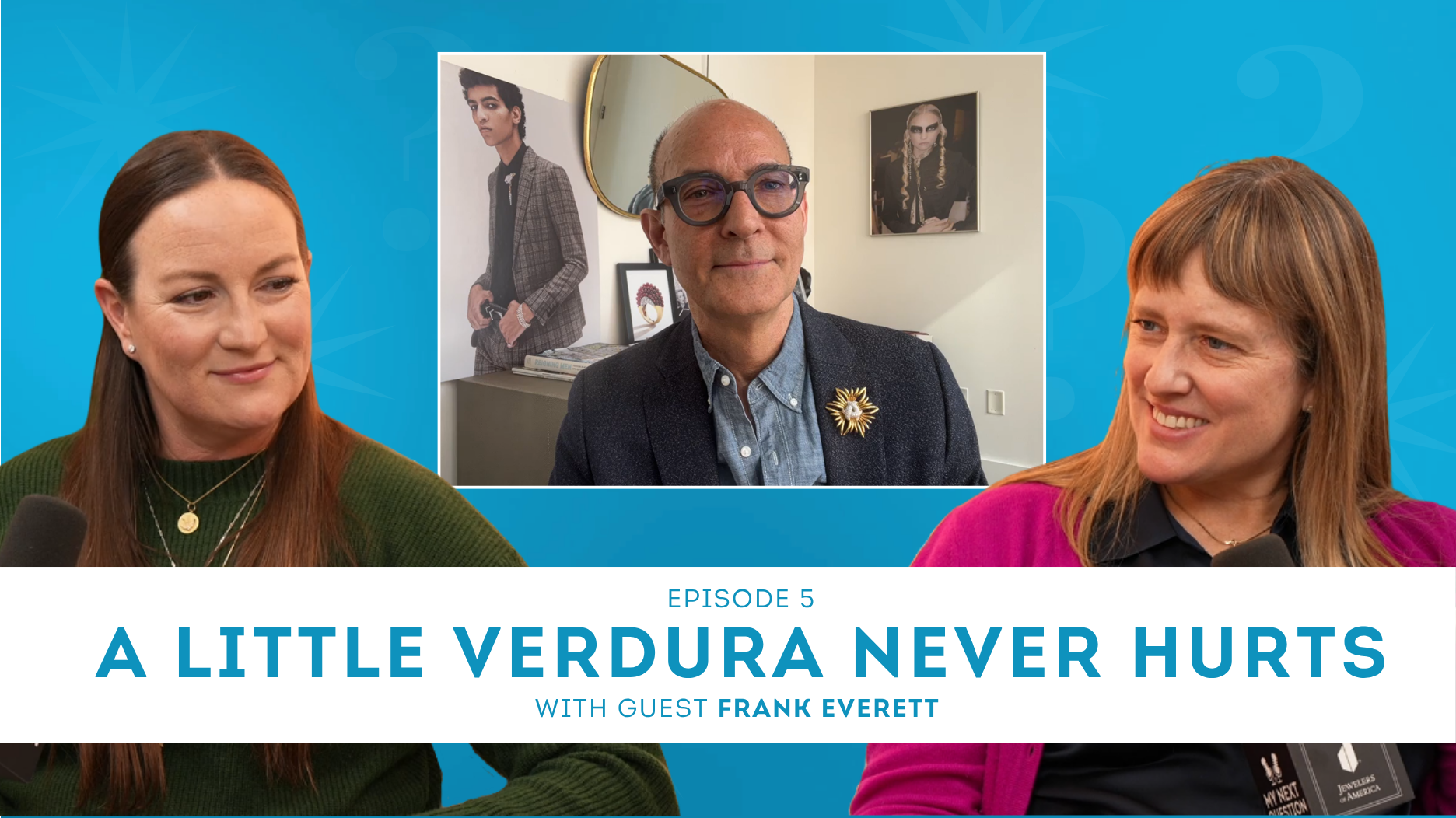
Everett covers colored stones’ surging popularity, the mellow return of the “Mellon Blue,” and his “The Devil Wears Prada” doppelgänger.


Fourth-generation CEO Lilly Mullen wants to emphasize experience, connection, and personalized service.

With the trade and customer trust in mind, GIA® developed NextGem™ – on-demand training designed specifically for retail.


The new award, created in partnership with Henne Jewelers, honors the late designer’s legacy through supporting jewelry education.

The addition of the diamond-producing countries as nation affiliated members broadens the federation’s global representation, WFDB said.

The NYPD is warning elderly New Yorkers to keep their jewelry hidden when walking outside to avoid being a target.

Designer Viviana Langhoff has realized her dream of owning a space for her Chicago jewelry store that looks and feels like her brand.

The sessions will run from Friday, May 29, to Sunday, May 31, with one being a live taping of an episode of Couture’s podcast.

Former Stephanie Gottlieb Fine Jewelry executive Morgan P. Richardson is joining the lab-grown diamond jewelry brand.


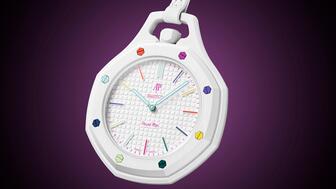
The $400 pocket watch is a blend of Audemars Piguet’s iconic eight-sided Royal Oak and Swatch’s unserious Pop watches from the ‘80s.

With gold prices on the rise, the “Modern Electrum” collection uses an alternative, non-tarnishing metal alloy composed of gold and silver.

Fruchtman Marketing has new owners, Erin Moyer-Carballea and Manuel Carballea, and will relocate to Miami.

In a column for the 2026 State of the Majors issue, Smith lists 10 time-tested principles about sales that still ring true.

In a column for the 2026 State of the Majors issue, Golan spells out how the growing economic divide in the U.S. is reshaping the market.

The “Limitless Expansion of Joy and Hope” collection evokes summer through colored gemstones and motifs of butterflies and florals.

The jewel, circa 1890, is from the late Victorian era and was owned by descendants of the last high king of Ireland.

This is what the nine recipients plan to do with the funds.

The Western star’s 14-karat gold signet ring sold for six times its low estimate following a bidding war at U.K. auction house Elmwood’s.

The discussion, "Rebuilding the Jewelry Workforce," will take place on Saturday, May 16, in Troy, Michigan.

The jewelry industry is reassessing its positioning as Gen Z reshapes the retail landscape and lab grown continues to gain market share.

A matching pair of 18.38-carat, D-color diamonds from Botswana’s Jwaneng mine sold for $3.3 million, the top lot of the jewelry auction.

Sponsored by A Diamond Is Forever



This site uses cookies to give you the best online experience. By continuing to use & browse this site, we assume you agree to our Privacy Policy