








IndependentsJun 05, 2026
Pennsylvania Jewelry Store To Close After 79 YearsJim Springer, owner of Dunkelberger’s Fine Jewelry, is heading into retirement.





U.K. firm Klarna turned to college psychology professors to commission a study on what people love and hate about online shopping.


Jim Springer, owner of Dunkelberger’s Fine Jewelry, is heading into retirement.

The “Tunnel” charm, our Piece of the Week, celebrates Pride Month with its design inspired by hope and the light at the end of the tunnel.

The jewelry industry is reassessing its positioning as Gen Z reshapes the retail landscape and lab grown continues to gain market share.

As gold prices rise, today’s retailers are looking for alternatives at prices that will appeal to wider audiences.


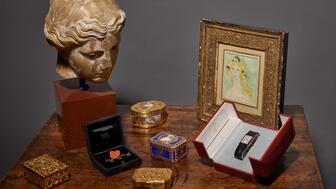
Up for auction at Sotheby’s, the collection of Tempelsman’s personal effects includes a Cartier Tank watch Jackie O. gifted him.


The Miami-based fine jewelry brand will host its first summer residency in the Colorado mountain town from June 5 to Aug. 23.

The organization also announced its international board of directors for the 2026-2027 term.

With the trade and customer trust in mind, GIA® developed NextGem™ – on-demand training designed specifically for retail.


Saks Global confirmed the closure this week, spelling the end for a store that’s been part of downtown Dallas for more than 100 years.

Smith discusses how managers should handle a top performer's exit, warning that a poor response could have a lasting impact.

The Gemological Institute of America is now a 30 percent stakeholder in Tracr, the De Beers-backed blockchain for diamonds.

The retailer is bringing Rolex Certified Pre-Owned watches to five U.S. cities in 2026 for collectors to see, try on, and purchase.

The actress and entrepreneur stars in the jeweler’s new campaign that celebrates life’s quiet moments.

The price of gold has risen, affecting the number of pieces designers make, the materials they use, and how they position themselves.

The jewelry retailer is zeroing in on Zales, Jared, Kay Jewelers, and Blue Nile as it looks to create unique brand identities for each.

Dr. Akinwumi Adesina, a development economist, will head the fund created to help Botswana diversify its economy.

Sotheby’s has appointed the former Phillips executive as its global head of private sales and retail in its watches division.

A private collection of five Paraíba tourmalines also will be up for sale at Sotheby’s High Jewelry auction in New York, scheduled for June 16.

From Gen Z’s view of luxury to “doom spending,” these are the six consumer trends to note this year.

The show started by honoring Mildred Marcano, ended with a tearful Beth Anne Bonanno, and recognized a dozen-plus designers in between.

The revamped online diamond marketplace will feature pricing intelligence and data-driven tools for more efficient buying and selling.

The miner said demand for higher-quality emeralds is stable, but there is notable caution in the market.

The “River of Heaven” necklace, our Piece of the Week debuting at Couture, combines 26 salt and pepper diamonds spaced by Tahitian pearls.

This year’s inductees include second-, third-, and fourth-generation jewelers.

The author, speaker, and entrepreneur will give his presentation, “Spiritual Billionaire,” on Saturday morning.

Three-time Grammy award-winning artist Nelly is set to perform at the annual event at Tao Beach on Sunday night.

Signet will integrate the online-only, natural diamond-focused jeweler into Blue Nile, which it wants to position as a higher-end retailer.



This site uses cookies to give you the best online experience. By continuing to use & browse this site, we assume you agree to our Privacy Policy