



Supplier BulletinAug 13, 2026
Your Piece Could Be the One Editors Talk AboutSponsored by American Gem Trade Association




Vincent Pardieu talks the green gem he’ll focus on this year, how the sector can work with conservation efforts and the knowledge many are lacking.


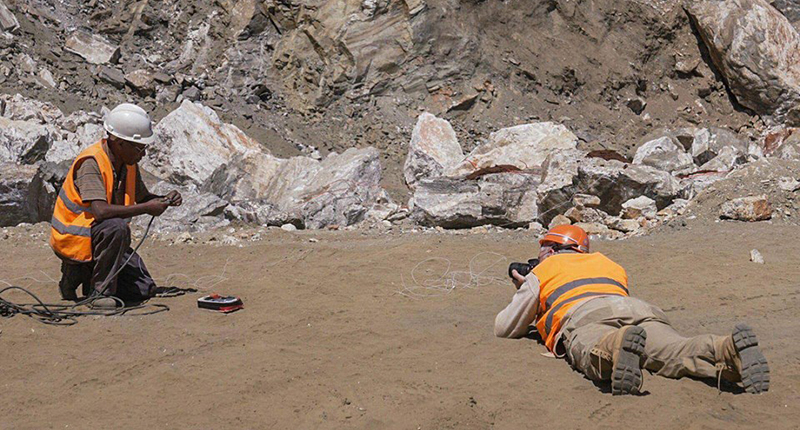
Vincent Pardieu has established a career that sees him jetting around the world to gather gemstones from the source for industry laboratories. To hear him tell it, it’s tough, important work that can also take him to interesting places and allows him to meet fascinating people.
In the second part of a two-part Q&A with the field gemologist, we talk about memorable moments in his career, where it could take him next and challenges in the market today.
(Revisit the first half of our conversation here.)
National Jeweler: Is there a project or trip that is particularly memorable to you, whether that’s for a good or bad reason?
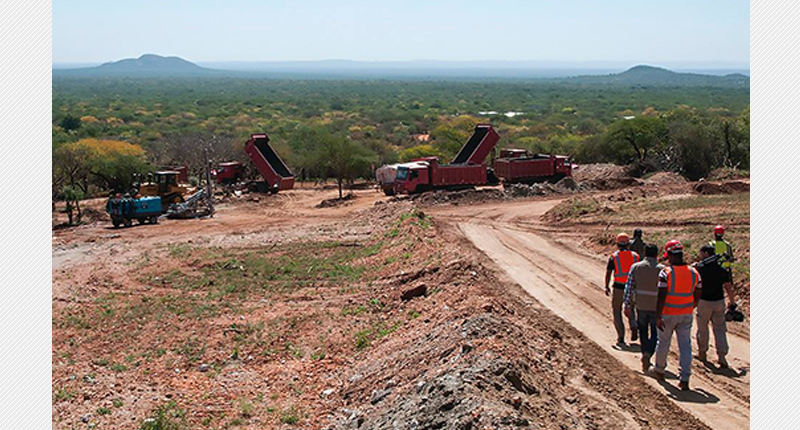
Vincent Pardieu: Mozambique is a very special place to me because that currently is the world’s leading source for rubies. I went to Mozambique at the very beginning. I was the first foreigner, the first gemologist, to be able to visit it and I have visited this ruby deposit every year since.
But it’s not just that. It’s these stories that happen to me. I was able to meet the people from the ruby deposit in Montepuez because of people from the Niassa Reserve, so then I started to collaborate with the people from the Niassa Reserve. They are conservationists. If I want to go to an area that is dedicated to conservation, I have to ask them for permission.
I started collaborating with them and gained some interest in the Niassa Lion Project. Now, every time I go to Mozambique, I go to visit the ruby mine and I also go to visit Niassa to understand the interaction between mining and conservation because I was able to see that, in some cases in Africa, you have some discoveries of gemstones inside areas dedicated to conversation.
Sometimes it turns out to be a win-win situation because the miners and the people in charge of conservation collaborate. But in other cases, it’s a total disaster because they have conflicts.
I was able to see some very positive stories, for example in Kenya, where you have mining inside Tsavo National Park. I was able to meet Campbell Bridges during my first visit to Africa in 2005, and I was very impressed to see that he named a stone after the national park and was mining these stones just inside Tsavo and trying to support conservation in this area, helping


“The trade still doesn’t know how to speak about treatment. They are trying to avoid it because treatment sounds bad. Many people in the trade are afraid to speak about treatments so they prefer not to.”For many mining areas now, you need treatment. If you don’t have treatment, only maybe less than 1 percent of the production would be able to find a market. But I don’t know any business that can survive with 1 percent of production. If there is a mining area that is active, it’s probably because there is a treatment. And, actually, untreated stones are a byproduct of mining for a stone that will be treated.

Sponsored by American Gem Trade Association
In the United States, second-quarter sales were flat amid soft consumer sentiment and lower in-store traffic.
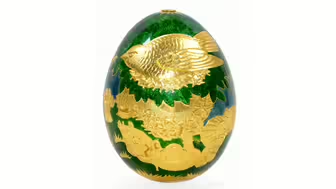
The 22-karat gold egg, sold at Batemans Auctioneers in the U.K., was part of a 1980s treasure hunt ad campaign for Cadbury Creme Eggs.

Retailers are seeking new ways to attract customers, increase traffic, and create revenue – Estate buying events are a popular solution.

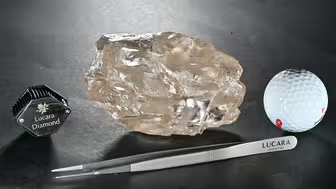
Lucara Diamond Corp., which recovered the “Motswedi” diamond from the Karowe mine, sold the stone for an undisclosed amount.

The expanded collections now feature hand-cut gemstones like topaz, tanzanite, chrysoprase, chalcedony, smoky quartz, and fire opal.

The lab-grown diamond jewelry brand’s newest boutique is in Westfield Valley Fair in Santa Clara, California.
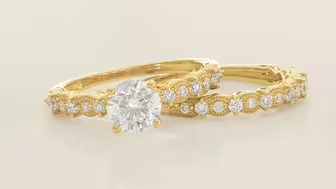
Colored gemstones, artisan finishes, mixed metals, and meaningful details are shaping demand in bridal jewelry.


The gemstone supplier and manufacturer acquired the remarkable 104-gram Zambian emerald at Gemfields’ auction in May.

Two suspects offered to trade the woman a “winning” lottery ticket for her jewelry.

Finsch has been in business rescue since May, and owner Petra Diamonds said it sees no viable path forward for the mine.

Michel Patrick DeSalles was sentenced after pleading guilty to the 2017 murder of Omid Gholian, who owned a jewelry store in Manhattan.

Longtime industry executive Beth Miller has taken on the role.

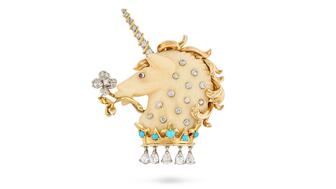
The brooch was owned by Virginia Fortune Ryan Ogilvy, who served as a lady of the bedchamber to Queen Elizabeth II for nearly 50 years.

Jamie Cygielman will take on the role on Aug. 24.

Moore, Polly’s husband, is remembered as a family man with an easygoing spirit and a love for sports and the outdoors.

Duvall O’Steen and Jen Cullen Williams share the best ways to display, present, and explain colored gemstones to younger customers.

The mid-year conference for jewelry and watch appraisers will take place Sept. 5-6 on Zoom.

Honest Hands Ring Co. Founder Benjamin Bosworth shared his thoughts on jewelry technology and why AI can never replace the human element.

QVC Group President and CEO David Rawlinson is temporarily being replaced by a familiar face, former QVC CEO Mike George.

The brand also added two one-of-a-kind brown diamond pieces to the “Sanssouci” series of its “Gardens” collection.

Ostbye took home top vendor honors at the Independent Jewelers Organization’s show, held last month in Kentucky.

Sponsored by Stratus Estate Buyers

Cloud, who will officially join Blue Nile on Monday, spent 26 years at Tiffany & Co. and founded jewelry brand Roseate.

Garcia will take over from the company’s current CFO, Anders Boyer, who is retiring at the end of November.

Etsy CEO Kruti Patel Goyal explained why the company is letting go more than 200 employees as its performance improves.

The “Star Gazer” pendant, our Piece of the Week, is Syna’s tribute to curiosity and the discovery of something new.



This site uses cookies to give you the best online experience. By continuing to use & browse this site, we assume you agree to our Privacy Policy