






CrimeAug 31, 2026
$4M Van Cleef & Arpels Diamond Necklace Snatched From Vienna Museum Once the property of an Egyptian queen, the necklace was part of a larger exhibition of VCA jewelry at the Museum of Applied Arts (MAK).





The decisions mark the end of a three-year reform cycle for the Kimberley Process.


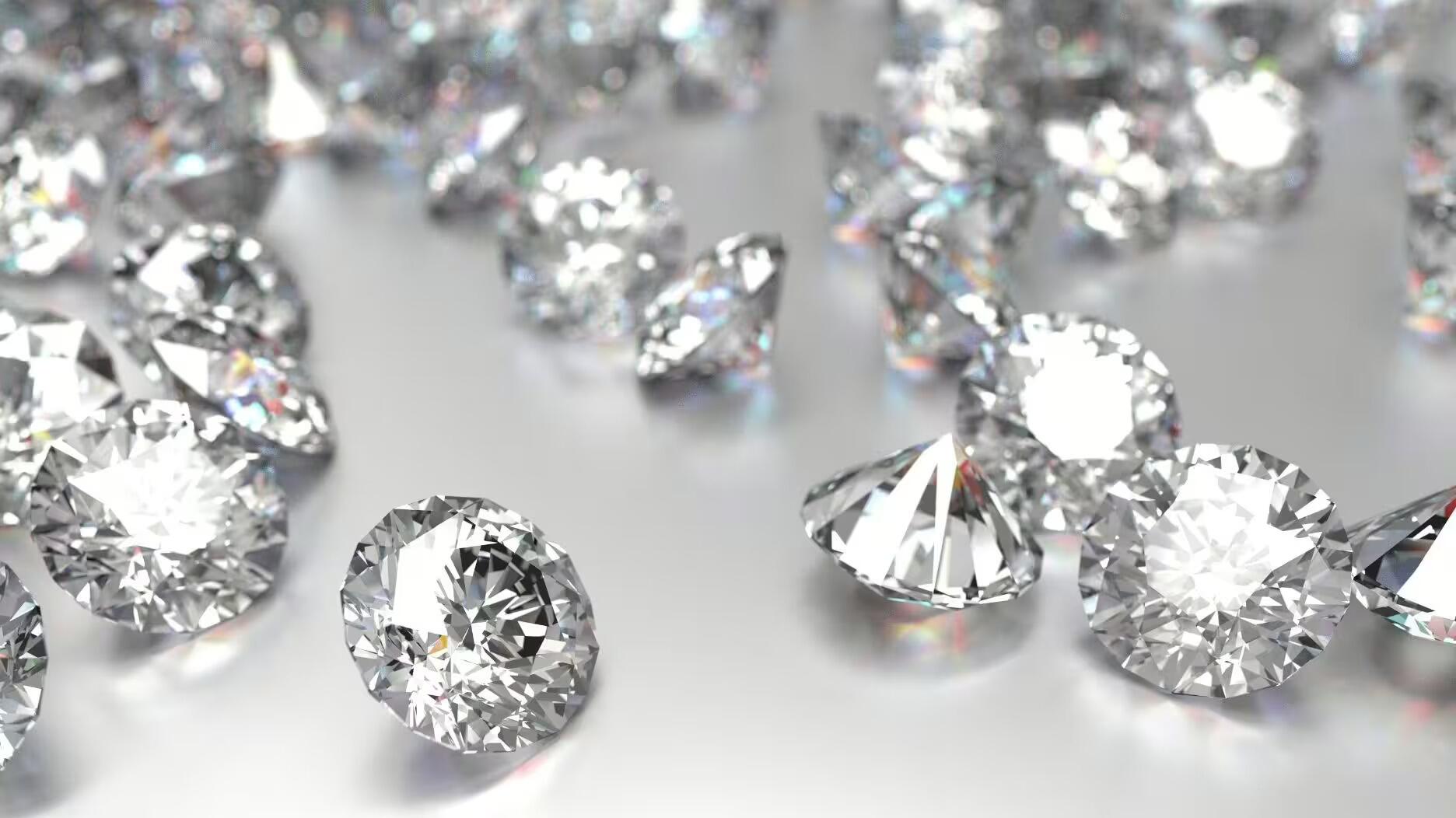
New York—The Kimberley Process wrapped up a three-year reform cycle unable to reach an agreement on expanding the definition of what constitutes a “conflict” diamond, an issue it has been debating for nearly a decade.
The current definition of a conflict diamond is: rough diamonds used by rebel movements, or the allies of rebels, to finance conflict aimed at undermining legitimate governments.
Those pushing for reform want to expand it to include language that addresses human rights abuses more generally—sexual violence, torture and abuses committed by groups other than rebels, such as private and public security forces.
The official statement from the meeting, held last month in New Delhi, India, noted the Plenary “welcomes the in-depth discussions that took place on how best to capture the evolving nature of conflict and actors involved in conflict,” but “no consensus could be found on an updated conflict diamond definition.”
The KP operates on a complete-consensus model, meaning all 55 participants (representing 82 countries) have to agree to any resolution in order for it to pass.
The failure of the KP to expand the definition of conflict again ignited debate about the future and relevancy of a process that has failed to evolve even as consumer demand for transparency, and the technology around traceability, has advanced.
In a statement posted on KPCivilSociety.org, Shamiso Mtisi, the Zimbabwe-based coordinator of the KP’s Civil Society Coalition, the group of non-governmental organizations that are non-voting members of the KP, called the meeting a “sad and surreal spectacle” in which participants could not agree on anything substantial.
In addition to the definition of conflict, other reform issues were “kicked into the long grass,” Mtisi said, including the creation of a permanent secretariat and a multi-donor fund.
“While KP participants were busy rearranging deck chairs on the Titanic, African communities supported by the members of our civil society coalition continue to suffer the downside of diamond riches,” the statement reads.
“This involves harms to their livelihoods, environmental damage and … often still violence and abuse. This plenary failed to give these communities any reassurances that the Kimberley Process actually cares. In the same way, states failed to provide any answers to the insistent marketing of synthetic diamonds as ethically superior alternatives to natural diamond purchases.”
The Civil Society Coalition’s statement concluded that the KP lost more relevance and credibility at the recent plenary and that it will



Once the property of an Egyptian queen, the necklace was part of a larger exhibition of VCA jewelry at the Museum of Applied Arts (MAK).
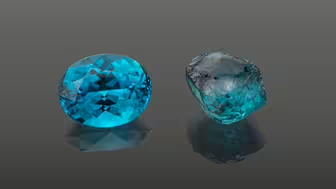
The labs’ separate investigations each determined that the East African country is producing copper-bearing tourmaline.
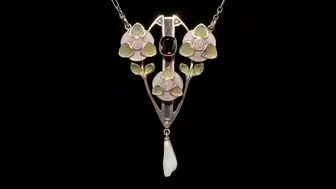
“Chicago Collects: Jewelry in Perspective” at the Oshkosh Public Museum will feature works by Fabergé, Lalique, and Louis Comfort Tiffany.
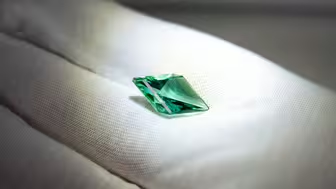
Submit your pieces for a chance to win in this year's competition.


The “Worn Well” collection is Catbird's take on classic men's jewelry.

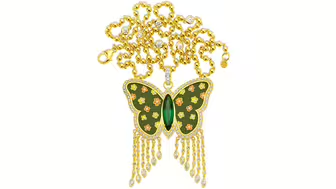
This Buddha Mama butterfly is our Piece of the Week honoring the legend, who embraced the beautiful insect as her symbol.

The employee-owned jeweler was named a “Best Place to Work” in Maine, New Hampshire, and for women.

Retailers are seeking new ways to attract customers, increase traffic, and create revenue – Estate buying events are a popular solution.


The second iteration of the jewelry collection was inspired by the zodiac and the four elements: earth, water, air and fire.
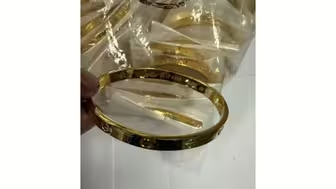
The package, intercepted in Indianapolis, contained fake Cartier, Tiffany & Co., and Van Cleef and Arpels jewelry.

The new location in Costa Mesa, California, marks the brand’s second store in the United States and fourth standalone location worldwide.
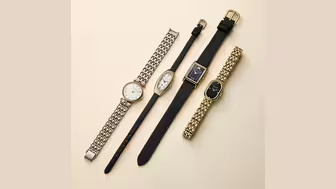
The fashion watch category was once threatened by the Apple Watch, but consumers are now opting for new wearables, said Movado’s CEO.
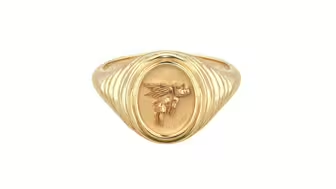
The report delves into trending styles, the most popular jewelry brands by city, and why Belle Époque jewelry could be the next big thing.
The association added the requirement to its revised "Code of Ethics" and released the 17th edition of its “Gemstone Information Manual.”

Respondents were concerned about the future of the labor market and their income as well as the rising prices of gas and groceries.

The campaign highlights the asymmetrical high jewelry necklace style that the jeweler first created in 1879.

It will explore the life of “The King of Diamonds” and showcase more than 165 creations from the brand.

Two suspects have been arrested in connection with the complex phone scam.

In her first column for National Jeweler, Jennifer Shaheen asks jewelers if they know how to connect with the next generation of consumers.

The annual awards cover tuition for an on-site educational course at the Swiss lab, as well as flights and lodging.
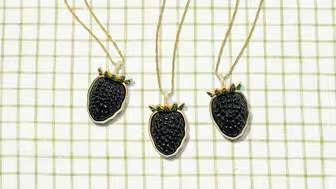
The jeweler partnered with the Tennessee resort to honor its 50th anniversary with limited-edition blackberry pendants and earrings.

The third-generation jeweler shared how the North Carolina retailer is celebrating this milestone and the love story that started it all.
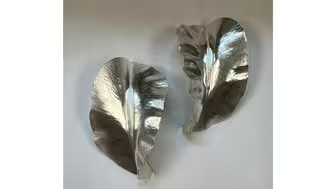
The class, led by renowned metalsmith Cynthia Eid, highlighted Argentium silver as an alternative to gold amid high prices.

The show is slated for Oct. 16-19 at the Miami Beach Convention Center.

The “Empresses” capsule uses 19th-century medals depicting Napoleon, Joséphine, and Marie-Louise across five one-of-a-kind pieces.

The retailers at the top of the list offer affordable products and fun, discovery-fueled experiences.

Daniel Bing was formerly the marketing director for the Americas at Vacheron Constantin.



This site uses cookies to give you the best online experience. By continuing to use & browse this site, we assume you agree to our Privacy Policy