






SurveysOct 09, 2026
These Will Be the 10 Busiest Days for In-Store Shopping This Holiday SeasonStores should expect to see the most customers on Nov. 27, and Christmas week is expected to be hectic too, as Dec. 25 falls on a Friday.






The pandemic has changed fine jewelry sales but not stopped them.


New York—More than 30 million Americans have been laid off since nonessential businesses were forced to go remote in March, but some jewelry designers’ businesses are faring the COVID-19 pandemic better than expected.
“Jewelry is a very personal purchase, and people are still treating themselves,” said Yves Spinelli, one half of the Spinelli Kilcollin husband-and-wife design duo.
“We had a strong wholesale business going into this and that revenue has decreased with most retailers shut. The flipside is that we’ve seen a major increase in our own direct and e-commerce business, which means that our net profit has increased substantially.”
Spinelli Kilcollin’s Los Angeles production has been shut down since the March government mandate in California, but cancelled trunk shows and store orders left the company flush with product to ship.
Serendipitously, Spinelli Kilcollin had just hired a customer relations manager to oversee the burgeoning direct-to-consumer business, who joined the team as the country shut down in March.
“She’s been hugely instrumental in driving sales by managing our client lists and keeping up with the increased direct messages and email campaigns,” said Spinelli.
“We also have a dedicated sales team who engage our clients through video chats, emails, phone calls, providing custom renderings, so we were prepared to focus our attentions there.”
Business-wise, the pandemic has proved to be an accelerant on omnichannel selling’s already bright flame, rewarding those companies that have embraced selling not just through ecommerce but also directly on Instagram, and forcing reluctant parties to step up their game.
New York City-based Reinstein Ross, which has stores in the Meatpacking District and Upper East Side, went through an adjustment period to the new business-during-COVID normal, but has found an upside amid the disruption.
“Direct sales have actually tripled for us,” noted General Manager Jennifer Lavorante. “Although most of our clients prefer coming into the store to shop and try on jewelry, they are becoming more comfortable with shopping online and speaking with our sales team to assist in their buying decisions.”
Reinstein Ross is shipping its customers in-stock inventory and taking special orders, though at a delay due to reduced production capacity.
The company is seeing demand for jewelry with meaning and symbolism—a sentiment echoed by several sources interviewed for this story—as well as gifting items for graduations and birthdays, particularly stud earrings, necklaces and bracelets.
“It's given us an opportunity to

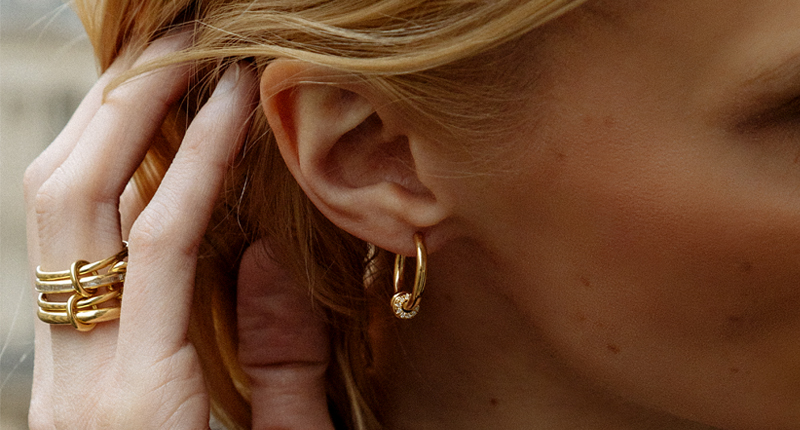
New York City-based designer Ashley Zhang has had less success during the pandemic.
The cornerstone of Zhang’s business is her custom bridal work, which is on hold until production restarts.
Attempts at production of her core jewelry line are also impossible, with her design molds locked away for storage at her caster’s shuttered facility.
Still, customers are purchasing what she has available, including lots of antique and vintage jewelry items. They’re doing so a bit through her website, but more so on Instagram.
“During this time people are using social media to stay connected, so sharing, posting, and connecting with followers has been very successful,” she said.
Fellow New Yorker Grace Lee noted similar obstacles, as she is unable to produce the custom bridal work that accounts for the majority of her business.
“Our sales are down 80 percent year-over-year,” said Lee.
She said web sales of stocked inventory have stayed consistent, but are only a small chunk of her overall business.
For brands that don’t rely on custom as their bread and butter, like Spinelli Kilcollin, many are selling out of their inventory and scrambling to make more amid limited and delayed production.
It’s a tricky subject for companies, as several designers who asked not to be named noted. They don’t want to appear to benefit from the current climate, but their customers are shopping while stuck at home and they’re doing their best to meet that need.
The result is a strengthened designer-client relationship that, albeit remote, feels personal.
“We are learning how to speak to our customers from afar and seeing that through thoughtful and meaningful conversations, our customers truly trust us and want to keep connected,” said Lavorante of Reinstein Ross.
“Clients want a form of connection now more than ever before. They are calling, emailing and sending chat messages through our website to talk about jewelry and life in general. We have to show compassion and ensure them we will do our best to service-the same way we did before this all happened. We are also learning to run our business differently than we did and focus more efforts on direct-to-consumer.”
Spinelli agreed that business during the pandemic has provided a pivotal learning experience.
“This is a unique time to examine our businesses and ensure that they are aligned with our values and our clients. It’s important to stay positive and creative to see the opportunities available, as challenging as that may be,” he said.
“We’re thankful for our direct clients, and excited that we’ve been picking up many new ones through Instagram and our website. It’s going to be essential for brands and retailers to get creative on how to continue engaging with their clients and providing bespoke service.”

Stores should expect to see the most customers on Nov. 27, and Christmas week is expected to be hectic too, as Dec. 25 falls on a Friday.

The charm, our Piece of the Week, features brown diamond frozen hot chocolate topped with white diamond whipped cream and a ruby straw.

The top lot of Elmwood’s recent fine jewelry sale in London was a 1.84-carat, D color Tiffany & Co. solitaire diamond ring.

Experience gemstones with greater precision and comfort than ever before.


The watch company agreed to sell a 95 percent interest to a group comprised of F.P. Journe, Chanel, and Swiss watch exec Pierre Jacques.


This round of tariff refunds is for importers that have sued over IEEPA tariffs in the Court of International Trade and won.

It revisits the brand’s most requested silhouettes, from "Pillow"-set necklaces and bracelets to "Signature"-set rings and earrings.
Submit your pieces for a chance to win in this year's competition.


The trade-only event includes buying opportunities as well as educational sessions on artisanal mining, the new Paraíba source, and more.

Ara Chanakian, a jeweler at Pattons, took home top honors in every category at Jewelers of Louisiana’s annual jewelry design competition.

The live charity benefit sale in Nashville will also feature gowns, boots, and other memorabilia from the country music legend.


Sponsored by Overnight Mountings

The supplier organization recently joined JA and JVC to have more input on political issues affecting the jewelry industry.

Blue Nile, a Signet Jewelers-owned brand, is now Royal Asscher’s exclusive licensed retailer in North America.

“Royal Oak” pays homage to the brand’s most popular watch model using 18-karat gold as well as diamonds, emeralds, and sapphires.

As part of the transition, Joseph Nicosia has stepped into the role of COO.

Participants now have until Oct. 14 to complete their submissions.

The alleged thieves used crow bars and sledgehammers to smash into jewelry stores across the state.

Ahead of the holidays, Smith urges jewelers to take a hard look at who’s buying jewelry, what they’re purchasing, and who’s stopped buying.

In the new consumer-facing campaign, four fashion and lifestyle creators share the stories behind their natural diamond pieces.

FGI President John Orrico is also leaving the company after more than 13 years.

The 2026 edition will feature presentations on alternative materials and design trends, as well as pop-up activations on the show floor.

It is the last fully operational diamond mine in Canada following the recent closures of Ekati and Diavik.

These jewels stood out at Bonhams’ sale of the cat-loving tech entrepreneur’s collection of objects depicting the feline form.

The fine jewelry brand has expanded the collection that debuted at Couture with four new designs based on its most popular styles.

The AGTA president was elected for a two-year term on the board of directors.

The partnership, a pledge to protect Africa’s Okavango River Basin, has been extended for an additional five years.



This site uses cookies to give you the best online experience. By continuing to use & browse this site, we assume you agree to our Privacy Policy