







SurveysMar 19, 2026
NRF Forecasts 4% Retail Sales Growth in 2026SurveysApr 01, 2026
Consumers’ Outlook Improves Again in March
The Conference Board’s Consumer Confidence Index edged up, with optimism about the present outweighing worries about the future.


Consumer confidence increased again, but the cost of living continues to weigh on consumers’ minds, The Conference Board’s latest survey shows. In March, consumers were particularly concerned with the cost of gas, which has increased significantly since the start of the war in Iran.
New York—Consumer confidence inched up for the second month in a row, with an improved outlook on the present outweighing consumers’ pessimism about the near future.
The Conference Board reported Tuesday that its Consumer Confidence Index rose to 91.8 in March (the baseline for the index is 100), up from a downwardly revised 91.0 in February.
March’s index is a tale of two attitudes: consumers are feeling better about the present but are less sure about the future.
The Present Situation Index, which measures consumers’ assessment of current business and labor market conditions, increased 4.6 points month-over-month to 123.3.
However, the Expectations Index, which is based on consumers’ short-term outlook for income, business, and labor market conditions, slipped 1.7 points to 70.9.
The Conference Board pointed out that while it did not impact overall confidence, consumers’ average and median inflation expectations “surged” in March to levels not seen since August 2025, when everyone was waiting for more tariff announcements.
The increase, The Conference Board said, was due to rising costs caused by tariff passthrough and the spike in oil prices following the start of the war in Iran, which began with U.S. and Israeli strikes on Feb. 28.
The cost of living also continues to dominate survey-takers’ write-in responses.
The Conference Board’s Chief Economist Dana M. Peterson, said, “Consumers’ write-in responses on factors affecting the economy continued to skew towards pessimism. Comments about prices and the cost of goods suggest that the cost of living remained at the top of consumers’ minds.
“As the war in Iran overlapped significantly with the survey sample period, comments about oil/gas and war/conflict spiked, while specific mentions of trade and tariffs decreased notably.”
Related stories will be right here …
The Conference Board reported Tuesday that its Consumer Confidence Index rose to 91.8 in March (the baseline for the index is 100), up from a downwardly revised 91.0 in February.
March’s index is a tale of two attitudes: consumers are feeling better about the present but are less sure about the future.
The Present Situation Index, which measures consumers’ assessment of current business and labor market conditions, increased 4.6 points month-over-month to 123.3.
However, the Expectations Index, which is based on consumers’ short-term outlook for income, business, and labor market conditions, slipped 1.7 points to 70.9.
The Conference Board pointed out that while it did not impact overall confidence, consumers’ average and median inflation expectations “surged” in March to levels not seen since August 2025, when everyone was waiting for more tariff announcements.
The increase, The Conference Board said, was due to rising costs caused by tariff passthrough and the spike in oil prices following the start of the war in Iran, which began with U.S. and Israeli strikes on Feb. 28.
The cost of living also continues to dominate survey-takers’ write-in responses.
The Conference Board’s Chief Economist Dana M. Peterson, said, “Consumers’ write-in responses on factors affecting the economy continued to skew towards pessimism. Comments about prices and the cost of goods suggest that the cost of living remained at the top of consumers’ minds.
“As the war in Iran overlapped significantly with the survey sample period, comments about oil/gas and war/conflict spiked, while specific mentions of trade and tariffs decreased notably.”
The Conference Board’s survey also gives insight into consumer confidence by demographic, as well as consumers’ purchasing plans and their views on the likelihood of a recession.
In March, respondents under 35 remained the most optimistic, while those 55 and over were the least optimistic.
By income level, confidence on a six-month moving average basis continued to decline for six of the eight income groups. Only consumers earning $25,000 to $34,999, and those earning more than $125,000 were a little more optimistic.
Confidence by political affiliation was unchanged.
Republicans remained the most optimistic about the economy, while consumer confidence was lower among Independents and lowest among Democrats.
When asked about their plans to make major purchases in the next six months, more consumers answered “no” in March.
Among those who do plan to purchase big-ticket items, used cars—which continue to be preferred over new cars—furniture, TVs, and smartphones were the most popular items within their respective categories.
Consumers who said they planned to spend more on services over the next six months also went from “yes” and “maybe” in February to “no” in March.
The Conference Board noted that utilities and healthcare landed in the top five among future spending categories, leapfrogging hotels/motels for personal travel.
“This displacement is consistent with the dip in overall vacation plans over the next six months, and consumers’ continued complaints about rising electricity and healthcare costs,” The Conference Board said.
It also noted that while domestic travel plans remained buoyant in March, fewer survey-takers said they plan to travel out of the country, likely due to conflicts abroad.
Technology company Toluna conducts The Conference Board’s monthly Consumer Confidence Survey. The cutoff date for the preliminary results was March 24.


More on Surveys

The Latest

Events & AwardsMay 27, 2026
5 Security Tips for Las Vegas Jewelry Market Week 2026This year, it’s what could happen outside of show hours that worries JSA Executive Vice President Scott Guginsky.

ColumnistsMay 27, 2026
What Jewelers Can Learn From Luxury Fashion’s Digital PlaybookHigh-end fashion houses know how to emotionally connect with customers online. Retail jewelers should take note, Emmanuel Raheb writes.


Events & AwardsMay 27, 2026
Couture’s ‘The Iridescence’ Will Showcase 7 Emerging Jewelry DesignersThe designers are the third cohort of mentees from the show’s Belonging @ Couture mentorship program.


Brought to you by
All Eyes on Gold Prices. Alternatives to Look For. And What to BEWARE of in VegasAs gold prices rise, today’s retailers are looking for alternatives at prices that will appeal to wider audiences.


ColumnistsMay 26, 2026
The Key Mindset for Better Trade Show BuyingBuying discipline at trade shows starts with clarity about your inventory levels, Smith writes.

Weekly QuizMay 21, 2026
This Week’s QuizTest your jewelry news knowledge by answering these questions.


Events & AwardsMay 26, 2026
12 JCK Talks Sessions to Add to Your Las Vegas ScheduleThe trade show’s education series returns, with sessions on retail trends, AI, watches, marketing, corporate responsibility, and more.

Events & AwardsMay 26, 2026
CBG Brings Its Curated Designer Project to Las Vegas ShowThe Curated Designer Project has expanded to highlight eight independent jewelry designers during CBG’s Las Vegas show.


Brought to you by
How Modern Training Is Becoming a Competitive Advantage for Jewelry RetailersWith the trade and customer trust in mind, GIA® developed NextGem™ – on-demand training designed specifically for retail.


TrendsMay 26, 2026
Amanda’s Style File: A Cooldown Is ComingBring a cool tone to your summer jewelry with these white metal pieces.


Events & AwardsMay 22, 2026
Instore Buys JA New York ShowThe deal closed this week, which means Instore will produce the JA NY show slated to take place this fall.

FinancialsMay 22, 2026
Richemont’s Jewelry Brands Lead the Charge in Q4The company’s jewelry sales were up in Q4 and the fiscal year, with Richemont raising prices in part because of the cost of gold.

CollectionsMay 22, 2026
Leigh Maxwell Celebrates 5 Years at Couture With ‘Bauble’ CollectionThe “Bauble” capsule collection of colorful one-of-a-kinds includes our Piece of the Week, the “Bauble” earrings, featuring rose zircon.

MajorsMay 22, 2026
Stuller’s New Packaging, Display Catalog Is Out The updated catalog has a newly dedicated section for gift wrapping.


PodcastsMay 21, 2026
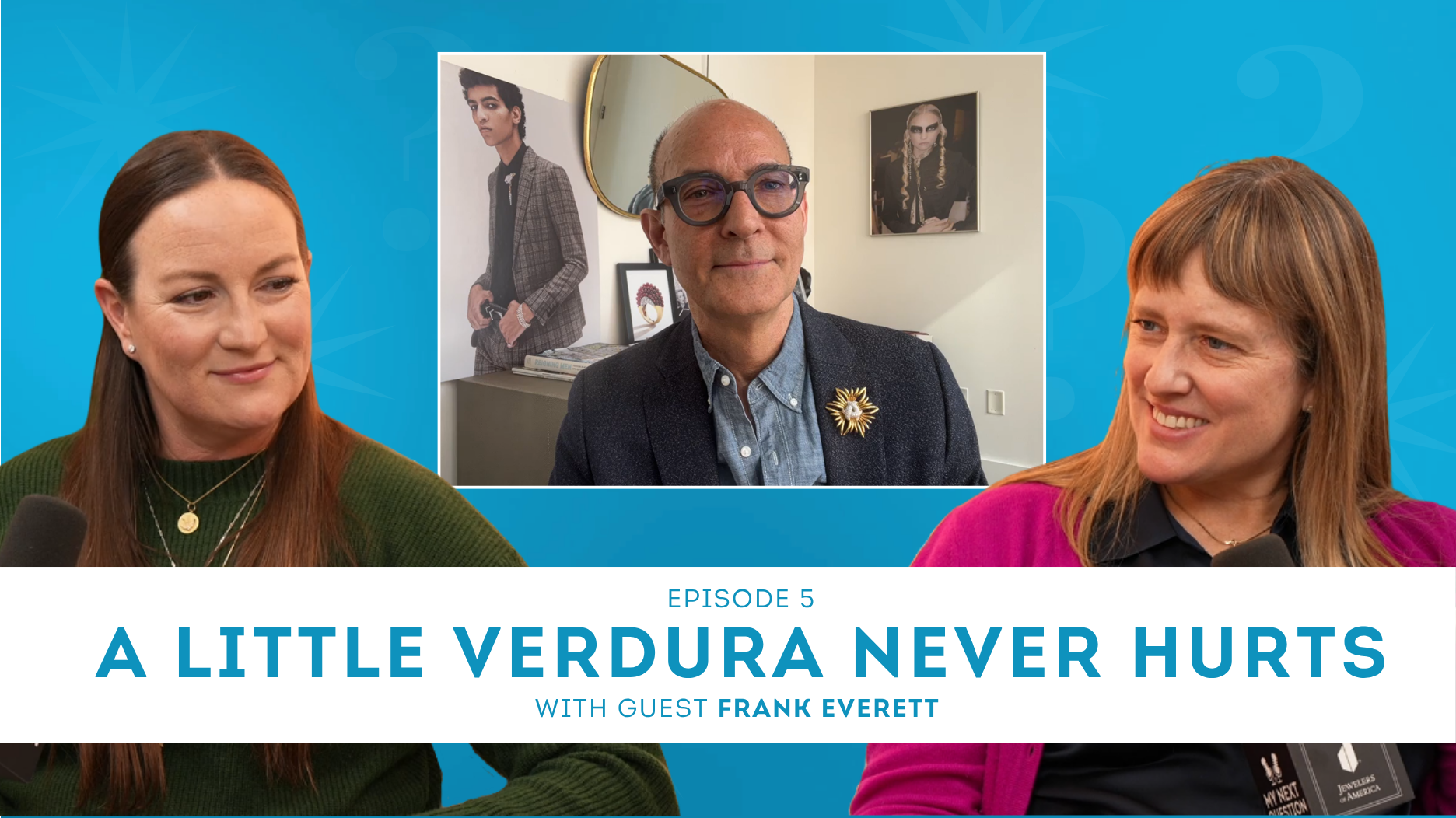
Episode 5: Sotheby’s Frank Everett Puts the Auction Market in PerspectiveEverett covers colored stones’ surging popularity, the mellow return of the “Mellon Blue,” and his “The Devil Wears Prada” doppelgänger.


IndependentsMay 21, 2026
Springer’s Jewelers’ New Flagship Will Serve Next-Gen Luxury ShoppersFourth-generation CEO Lilly Mullen wants to emphasize experience, connection, and personalized service.

Events & AwardsMay 21, 2026
JA Announces Nina Pugliese Memorial ScholarshipThe new award, created in partnership with Henne Jewelers, honors the late designer’s legacy through supporting jewelry education.


SourcingMay 21, 2026
Botswana, Angola Join WFDBThe addition of the diamond-producing countries as nation affiliated members broadens the federation’s global representation, WFDB said.

CrimeMay 20, 2026
NYPD Warns of Jewelry Swap Scams Targeting SeniorsThe NYPD is warning elderly New Yorkers to keep their jewelry hidden when walking outside to avoid being a target.

IndependentsMay 20, 2026
Adornment & Theory’s New Store Feels Like Home Designer Viviana Langhoff has realized her dream of owning a space for her Chicago jewelry store that looks and feels like her brand.

Events & AwardsMay 20, 2026
Here Is Couture’s 2026 Education Lineup The sessions will run from Friday, May 29, to Sunday, May 31, with one being a live taping of an episode of Couture’s podcast.

Lab-GrownMay 20, 2026
Savannah Friedkin Jewelry Names New CEOFormer Stephanie Gottlieb Fine Jewelry executive Morgan P. Richardson is joining the lab-grown diamond jewelry brand.


WatchesMay 19, 2026
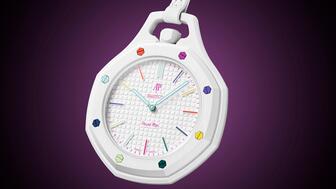
Here’s the AP x Swatch Pocket Watch That Caused PandemoniumThe $400 pocket watch is a blend of Audemars Piguet’s iconic eight-sided Royal Oak and Swatch’s unserious Pop watches from the ‘80s.

CollectionsMay 19, 2026
Chris Ploof’s New Collection Makes an Ancient Metal ModernWith gold prices on the rise, the “Modern Electrum” collection uses an alternative, non-tarnishing metal alloy composed of gold and silver.

IndependentsMay 19, 2026
Ellen and Michael Fruchtman Retire, Sell Marketing Agency Fruchtman Marketing has new owners, Erin Moyer-Carballea and Manuel Carballea, and will relocate to Miami.

ColumnistsMay 19, 2026
Peter Smith: The (Mostly) Immutable Sales TruthsIn a column for the 2026 State of the Majors issue, Smith lists 10 time-tested principles about sales that still ring true.


ColumnistsMay 18, 2026
Edahn Golan: What a K-Shaped Economy Means for Fine JewelryIn a column for the 2026 State of the Majors issue, Golan spells out how the growing economic divide in the U.S. is reshaping the market.


CollectionsMay 18, 2026
Foundrae’s New Collection Taps Into JoyThe “Limitless Expansion of Joy and Hope” collection evokes summer through colored gemstones and motifs of butterflies and florals.