



AuctionsSep 18, 2026
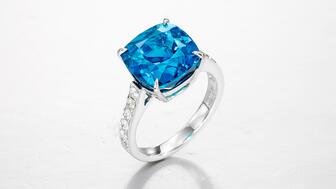
7.52-Carat Unheated Paraíba Tourmaline Sells for $1.3M at Sotheby’s The top lot of the auction house’s Hong Kong jewelry sale was an Art Deco Mauboussin necklace with ruby beads, which sold for $2 million.




Lower than it was a couple years ago, according to The Knot, De Beers and industry analyst Edahn Golan.


New York—Couples are spending about 7 to 9 percent less on their engagement rings than they did two years ago, data collected from multiple sources shows.
According to The Knot’s 2019 Jewelry & Engagement Study released last week, the national average spend on an engagement ring in the United States stands at $5,900.
By region, the average cost is: $7,500 in the Mid-Atlantic states; $6,900 in New England; $5,600 in the Southwest; $5,500 in the West; $5,400 in the Southeast; and $5,300 in the Midwest.
The figures released by The Knot in its report—which comes out every two years and is the company’s deep-dive into engagements and the jewelry that accompanies them—consistently come in above the averages documented by industry sources.
Analyst Edahn Golan said his data, which is collected from hundreds of stores across the United States that vary by geography, size, type and positioning, shows the average expenditure on diamond engagement rings today is about $3,200.
Golan’s figure is on par with that of De Beers Group, which has U.S. engagement ring expenditure averaging $3,400 in its latest Diamond Insight Report, released last week.
While The Knot’s number comes in above the figures provided by Golan and De Beers, all three data sets show spending on engagement rings going in the same direction: down.
The Knot’s $5,900 average is down 7 percent from $6,351 in 2017, the last time it conducted its jewelry and engagement study.
Golan’s $3,200 figure represents a nearly 9 percent decline from the $3,500 he said couples were spending just a couple years ago.
And De Beers’ average has dropped too, from $3,700 in 2013 to $3,400 in 2017.
Golan said the primary driver behind the decline in engagement ring expenditure is the shift to smaller center stones, which is part of a wider change in taste and fashion. Many consumers today are opting for daintier styles in engagement rings (as well as in jewelry in general) even if cost is not an issue for them.
“This is the larger driver [of the trend],” he said. “Economic drivers are there too, but they are largely secondary.”
The Knot saw the same when conducting its jewelry study, with the size of the stone declining in importance when compared to the piece’s cost and overall quality.
Worldwide Senior Director of Insights Lauren Goodson said when The Knot asked couples which engagement ring features are most
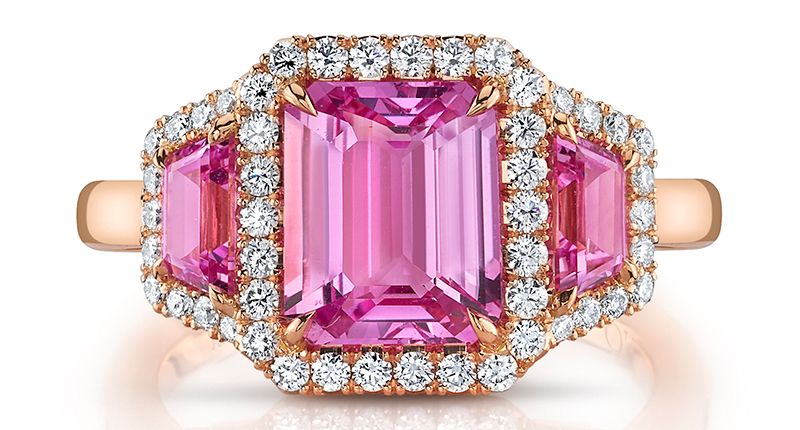
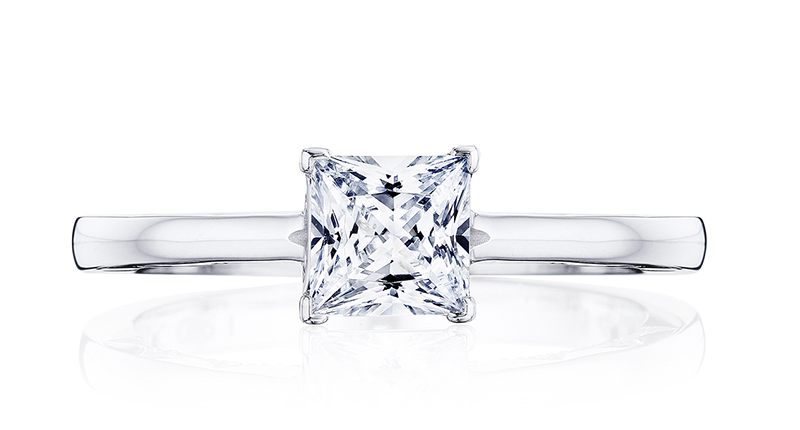
RELATED CONTENT: Propose Too: A Platform That Wants Women to Pop the Question— Right after they get engaged, a whopping 92 percent of happy couples take to social media to share the news (and, presumably, the ring). Three-quarters of survey-takers said they call family and friends and 72 percent send them photos of the ring.


The top lot of the auction house’s Hong Kong jewelry sale was an Art Deco Mauboussin necklace with ruby beads, which sold for $2 million.

Retailers and manufacturers headed to the Capitol this week to discuss tariff exemptions for diamonds and gemstones, among other issues.

Our Piece of the Week is a pair of drop earrings from the “Sway” collection featuring Nanis’ first use of mirror-polished gold.

Experience gemstones with greater precision and comfort than ever before.


SynthDetect 2 can scan a full tray in less than five minutes, De Beers said, making it six times faster than its predecessors.


Two metal detectorists discovered the ring, which may have belonged to English noblewoman Matilda of Lancaster, in Suffolk.

The bill has a provision that allows the president to raise tariffs on countries that import Russian oil and gas to as much as 100 percent.
Submit your pieces for a chance to win in this year's competition.


The American Gem Society presented the annual award to a former president of its board.

The “Chrysalis” capsule centers butterfly motifs representing growth, transformation, and the unfolding of who you are.

Jewelers of Louisiana presented Patton, the third-generation president of Pattons Fine Jewelry, with the award at its annual convention.


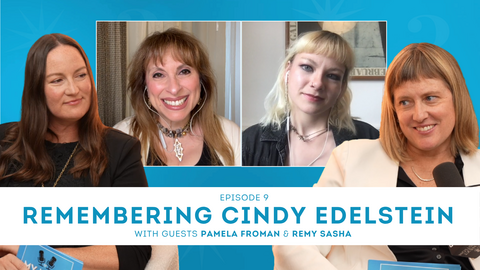
Two special guests join the podcast to commemorate the 10th anniversary of the designer advocate, mentor, and author’s untimely passing.


McCormack brings sea-inspired motifs from her “Beaches” collection to L’Objet’s tableware, vanity pieces, and first-ever cutlery set.

Nine New Jersey jewelers have been victims of smash-and-grab robberies this year, prompting JSA to circulate a list of recommendations.

Marlin “Brian” Hood, who has been with the store for 20 years, will succeed Ricky Bromberg, who died earlier this month.

The new bridal catalog features the latest jewelry collections and designs from timeless classics to modern silhouettes.

Stars wore either a necklace or earrings at 78th Primetime Emmy Awards but rarely both, Natalie Francisco notes.

Jennifer Shaheen compares this new era of AI-powered SEO to a video game: your website must clear one level before advancing to the next.

The program highlights “Made in Italy” fine jewelry with digital merchandising, sales education, and local marketing support.

Hilson, Signet’s chief operating and financial officer, discussed Q2, resurgent natural diamond demand, and why Blue Nile is a standout.

The stores that have a great December are the ones that made good decisions in August, September, and October, Sherry Smith writes.

The 22.09-carat fancy yellow “Pragnell Kimberley Sunshine Diamond” is part of the fall jewelry sale at Heritage Auctions.

“Adornos: Jewelry, Memory & What We Pass Down” honors the jewelry’s importance to New York City’s Latine communities.

The company’s managing director of sales said the results demonstrate “continued strong demand for commercial-quality emeralds.”

The nonprofit awarded a grant to the Gift of Sight initiative spearheaded by South African musician Black Coffee.

The Latine-owned New York jeweler is marking two milestones this year: its 50th anniversary and the 25th anniversary of the 9/11 attacks.

The jewelry retail broadcast network has sponsored a new space for Make-A-Wish East Tennessee on its campus in Knoxville.



This site uses cookies to give you the best online experience. By continuing to use & browse this site, we assume you agree to our Privacy Policy