

CollectionsMay 28, 2026
Meet The 17 Newcomers to Couture’s Design AtelierThese up-and-coming jewelry brands are bringing their distinct aesthetic and unique point-of-view to the Design Atelier for the first time.



Not nearly as much as they are to Amazon, Disney and Netflix, one recent study shows.


New York—When it comes to emotionally connecting with consumers, luxury brands aren’t doing as well as other goods and services competing for their dollars, one recent study shows.
But there’s a silver lining: watches and jewelry did better in the category than other luxury products.
In MBLM’s Brand Intimacy Study 2019, the luxury industry dropped one spot from 2018, ranking 14th out of the 15 industries studied.
A New York-based marketing agency, MBLM defines “brand intimacy” as the emotional science measuring the bonds formed with brands used and loved.
The firm examines users of a brand, gauging their emotional connections and the characteristics of their bond to create a Brand Intimacy Quotient, a score each brand receives to indicate its performance.
The 2019 study analyzed 6,200 consumer responses and 56,000 brand evaluations across 15 industries in the United States, Mexico and United Arab Emirates.
Interestingly, the firm found that its top “intimate” brands in the U.S. significantly outperformed the top brands in the Fortune 500 and S&P indices in both revenue and profit over the past 10 years, drawing a correlation between consumer emotion and returns.
It’s also worth noting that within the luxury category, which analyzed 12 brands total, watches and jewelry reigned.
Rolex was tops among luxury brands in emotionally connecting with consumers, followed by Cartier and Tiffany & Co.
Rolex ranked No. 1 among men, users over 35, and those with incomes of $100,000 or more, while Tiffany was the No. 1 brand for users with incomes under $100,000.
MBLM also noted that “indulgence,” relating to moments of pampering and gratification, was the most prominent archetype in the category, and Tiffany was the top-performing luxury brand for indulgence.
The remaining top 10 luxury brands were: Chanel, Jaguar, Louis Vuitton, Gucci, Prada, Land Rover and Burberry.
Solving the Luxury Puzzle
Overall, the luxury category didn’t fare so well.
Luxury had an average Brand Intimacy Quotient of 18.7, well below the cross-industry average of 31.0, MBLM said. (Of note: Rolex had 31.1, while Cartier and Tiffany both had scores of 27.)
“Luxury fell in our 2019 rankings, which continues to be a surprising finding because of the prestige and value of these time-honored brands,” Managing Partner Mario Natarelli said.
“We believe that the brands in this industry will strongly benefit from shifting their focus and appealing to consumers’ emotions more.”
Calling the category a “curious puzzle,” MBLM dove into the dichotomy between
Editor’s note: This story was updated post-publication to reflect that 12 brands were analyzed in the luxury category.

These up-and-coming jewelry brands are bringing their distinct aesthetic and unique point-of-view to the Design Atelier for the first time.

The lab’s proprietary diamond cut grade has been expanded to include the popular fancy shape.

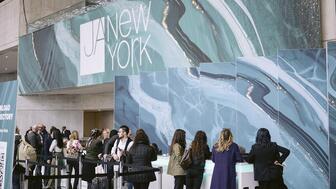
This year, it’s what could happen outside of show hours that worries JSA Executive Vice President Scott Guginsky.

As gold prices rise, today’s retailers are looking for alternatives at prices that will appeal to wider audiences.


High-end fashion houses know how to emotionally connect with customers online. Retail jewelers should take note, Emmanuel Raheb writes.

The designers are the third cohort of mentees from the show’s Belonging @ Couture mentorship program.

Buying discipline at trade shows starts with clarity about your inventory levels, Smith writes.

With the trade and customer trust in mind, GIA® developed NextGem™ – on-demand training designed specifically for retail.


The trade show’s education series returns, with sessions on retail trends, AI, watches, marketing, corporate responsibility, and more.

The Curated Designer Project has expanded to highlight eight independent jewelry designers during CBG’s Las Vegas show.

Bring a cool tone to your summer jewelry with these white metal pieces.

The deal closed this week, which means Instore will produce the JA NY show slated to take place this fall.

The company’s jewelry sales were up in Q4 and the fiscal year, with Richemont raising prices in part because of the cost of gold.

The “Bauble” capsule collection of colorful one-of-a-kinds includes our Piece of the Week, the “Bauble” earrings, featuring rose zircon.

The updated catalog has a newly dedicated section for gift wrapping.


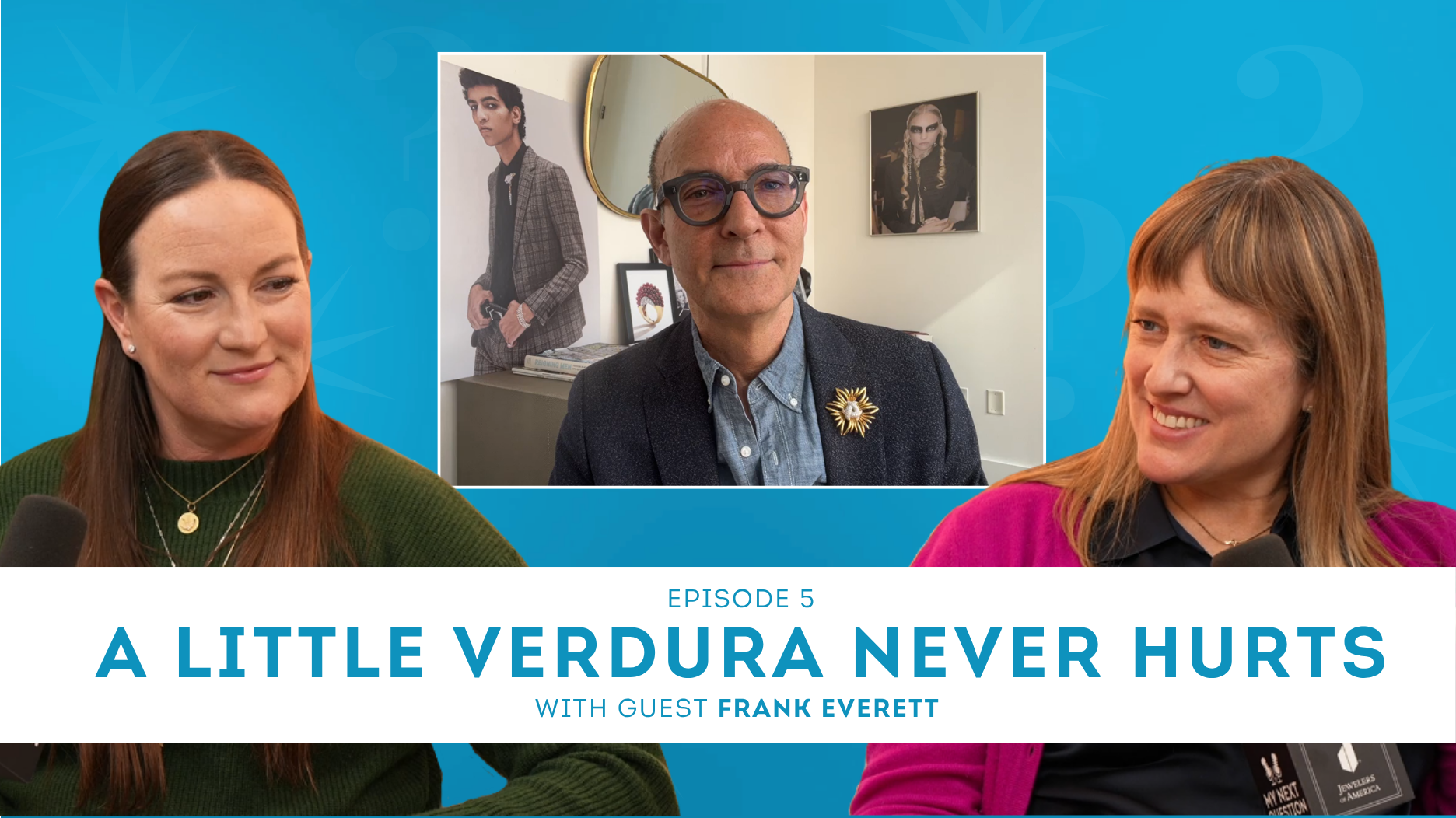
Everett covers colored stones’ surging popularity, the mellow return of the “Mellon Blue,” and his “The Devil Wears Prada” doppelgänger.


Fourth-generation CEO Lilly Mullen wants to emphasize experience, connection, and personalized service.

The new award, created in partnership with Henne Jewelers, honors the late designer’s legacy through supporting jewelry education.

The addition of the diamond-producing countries as nation affiliated members broadens the federation’s global representation, WFDB said.

The NYPD is warning elderly New Yorkers to keep their jewelry hidden when walking outside to avoid being a target.

Designer Viviana Langhoff has realized her dream of owning a space for her Chicago jewelry store that looks and feels like her brand.

The sessions will run from Friday, May 29, to Sunday, May 31, with one being a live taping of an episode of Couture’s podcast.

Former Stephanie Gottlieb Fine Jewelry executive Morgan P. Richardson is joining the lab-grown diamond jewelry brand.


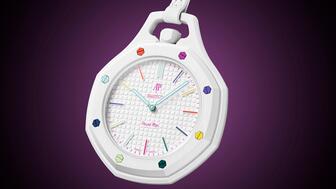
The $400 pocket watch is a blend of Audemars Piguet’s iconic eight-sided Royal Oak and Swatch’s unserious Pop watches from the ‘80s.

With gold prices on the rise, the “Modern Electrum” collection uses an alternative, non-tarnishing metal alloy composed of gold and silver.

Fruchtman Marketing has new owners, Erin Moyer-Carballea and Manuel Carballea, and will relocate to Miami.

In a column for the 2026 State of the Majors issue, Smith lists 10 time-tested principles about sales that still ring true.



This site uses cookies to give you the best online experience. By continuing to use & browse this site, we assume you agree to our Privacy Policy