





CollectionsSep 11, 2026
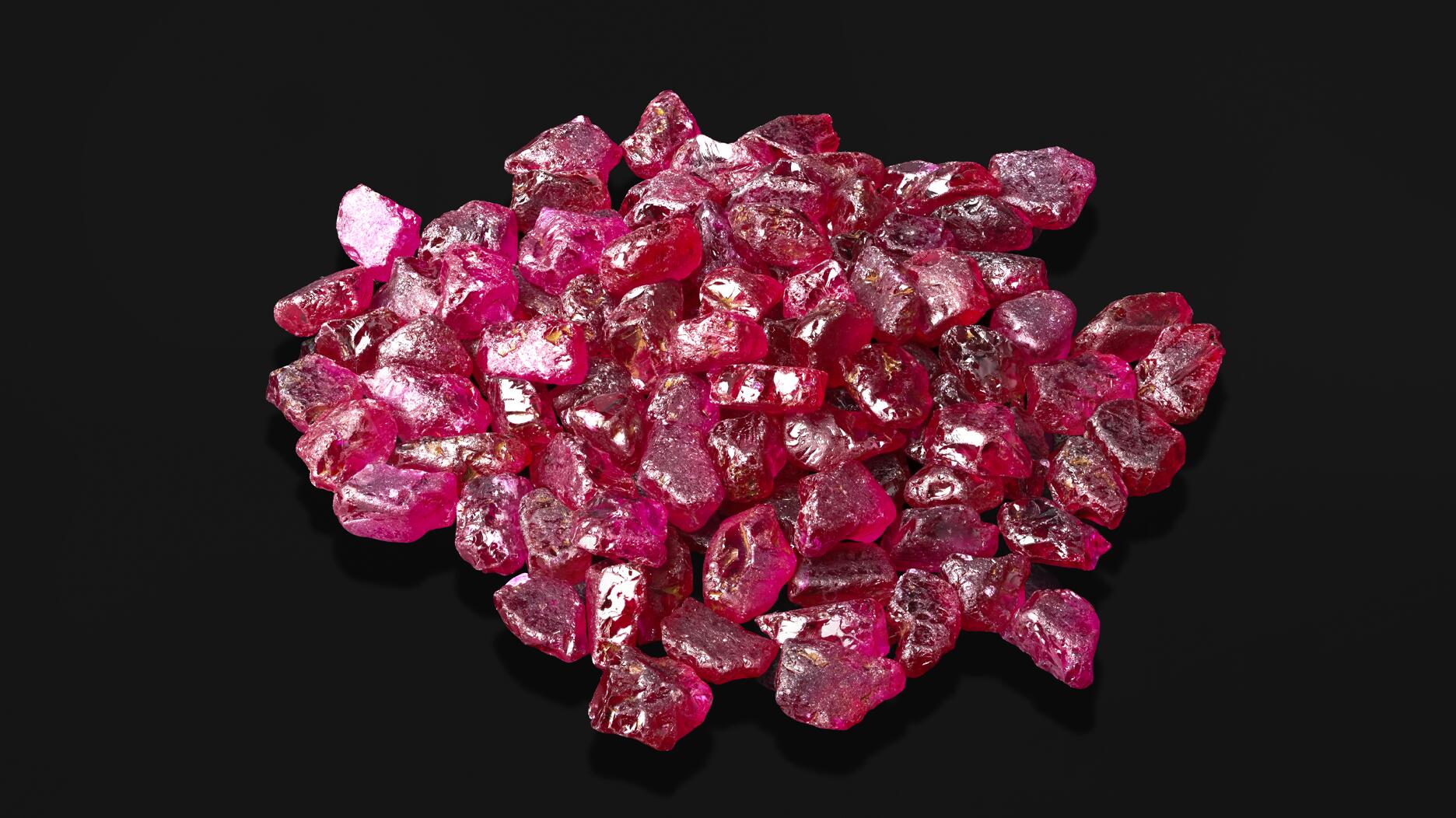
A Sapphire ‘Stardust’ Ring From Greenwich St. Jewelers The Latine-owned New York jeweler is marking two milestones this year: its 50th anniversary and the 25th anniversary of the 9/11 attacks.





It is monumental, though not entirely shocking, jewelry industry news.


The Latine-owned New York jeweler is marking two milestones this year: its 50th anniversary and the 25th anniversary of the 9/11 attacks.

The stores that have a great December are the ones that made good decisions in August, September, and October, Sherry Smith writes.

The jewelry retail broadcast network has sponsored a new space for Make-A-Wish East Tennessee on its campus in Knoxville.
Submit your pieces for a chance to win in this year's competition.


The recipients were recognized at the 24 Karat Club of the Southeastern United States’ annual banquet.


Keith Rolfe, CFO and COO of Lagos, is now at the jewelry brand’s helm while Steven takes on the role of executive chairman.

Alberto Perez-Elias is one of four men charged in the armed robbery of a Cape Coral, Florida, jewelry store and remains at large.

Retailers are seeking new ways to attract customers, increase traffic, and create revenue – Estate buying events are a popular solution.


The “Kat Florence Luminas” will be offered together as one lot and could fetch up to $637,000.

Ken Citron joins the celebrity memorabilia-focused auction house ahead of its first week-long series of events in Abu Dhabi.

The jewelry retailer said it sees opportunity at higher price points, particularly in natural diamonds for bridal and fashion.

The Los Angeles-based, family-owned jeweler was founded by Lenny and Sunny Friedman in 1946.

Fine Jewelry 2027-2028 has more than 900 new styles, including silver, gold-filled, gold-plated sterling silver, and vermeil jewelry.

Learn more about the new terms for lab-grown diamonds and composite gemstones, and the major changes in store for precious metals jewelry.

Bromberg is remembered as a Southern gentleman who always wore a suit and tie and treated others with kindness.

With high durability and a wide range of colors to choose from, sapphires may be the ultimate birthstone, Gizzi claims.

Laughter is often considered a distraction in the workplace, but it has benefits for both staff and management, Peter Smith writes.

Gretchen Koback Pursel is the new chief people officer at the company formerly known as Saks Global.

The California jeweler is renovating its store in Fresno, with plans to show off the new space in December.

A lifelong practitioner of Pilates, Gabrielle looked to the springs’ tension and suspension when creating this ring, our Piece of the Week.

The deadline to apply is Nov. 13.

The auction house has promoted Remi Guillemin, formerly its head of watches for the Americas and EMEA, to the role.

Zaven Ghanimian discussed the value of human craftsmanship and where the implementation of artificial intelligence does work.

Jewelers of America also revealed the recipients of the Seymour & Evelyn Holtzman Bench Scholarship and its own scholarship programs.

The British actor, known for his roles in “Twilight” and “The Odyssey,” will star in a campaign for the Master Control Chronometre.

The “Confetti Disco,” “Champagne Cheers,” “Tuxedo,” and “Classic Punk” jewelry collections each capture a distinct spirit of celebration.

Nelson Holdo of Newport Beach pleaded guilty to multiple counts of felony grand theft and writing bad checks and was sentenced Monday.



This site uses cookies to give you the best online experience. By continuing to use & browse this site, we assume you agree to our Privacy Policy