

CollectionsApr 03, 2026
Taylor Swift’s ‘Elizabeth Taylor’ Video Puts Jewelry Front and CenterIconic pieces, like the Mike Todd Diamond Tiara, appear in the superstar’s new music video for her song inspired by the actress.





Stephen Lussier of De Beers and the Diamond Producers Association on the thought process behind “Real is Rare,” why income inequality worries him and more.


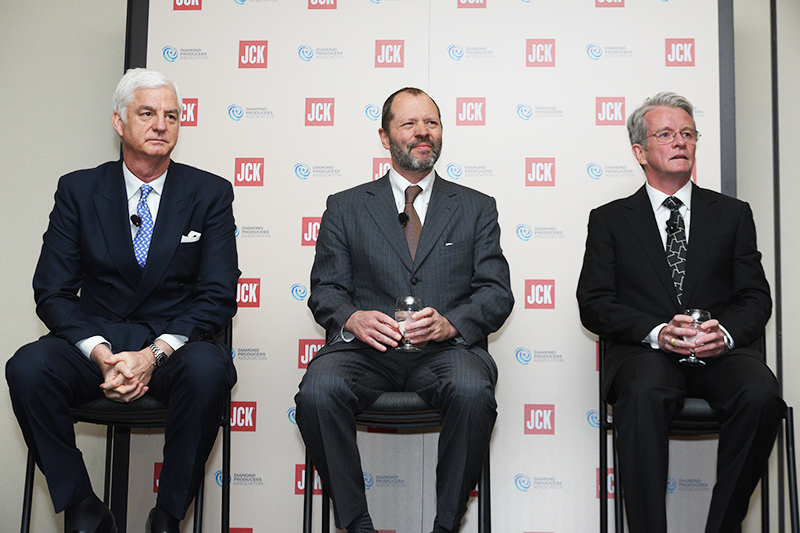
Earlier this month at an event in Las Vegas, the Diamond Producers Association revealed the slogan that will be at the core of a new millennial- and U.S.-focused generic diamond advertising campaign: “Real is rare. Real is a diamond.”
The DPA developed the new slogan over the past several months, working alongside advertising agency Mother New York to survey a “representative sample” of Generation Y consumers in three U.S. cities: Boston, Chicago and Los Angeles. (The DPA is not releasing the exact number of millennials included in the research.)
After the shows, National Jeweler caught up with De Beers executive and DPA Chairman Stephen Lussier to talk more extensively about how the DPA arrived at “Real is Rare,” the U.S. presidential election, income inequality and how “A Diamond is Forever” fits in now.
National Jeweler: What about “Real is Rare. Real is a Diamond” do you think will connect with millennials?
Stephen Lussier: I think the two biggest insights from our research is one, this concept of what are relationships in this new era of a huge number of contacts?
This is a generation who, every day, have more interactions with more people than the generation before them would have even dreamed about. While they have a huge volume of contacts, they still sort of recognize that, ‘well, that’s not really enough.’ That, unlike [past] generations, they haven’t had the same depth of relationships. It’s a human need and they’re longing for it.
Part of the real core insight is, how do you recognize that feeling that they have and make sure your product is positioned for it? If you can attach your product to their basic need, it’s a very powerful place to be.
I think the other powerful insight that came from our study is that there is this desire for the authentic. It’s a word that they often used in the research. They used that language across lots of different categories [and] in the context of relationships. There’s a sort of this innate understanding amongst them that the diamond is the real deal. It’s one of those few products in life that stands the test of time and will be around forever.
The key is connecting those two things. If we can connect this innate feeling that they long for that relationship that is real and connect that with their desire to find some things in their world that are

Iconic pieces, like the Mike Todd Diamond Tiara, appear in the superstar’s new music video for her song inspired by the actress.

The luxury retailer, which went Chapter 11 in January, announced Thursday that it has secured $500 million in exit financing.

The NouvelleBox ballroom will feature independent jewelry designers, including Lene Vibe, Wyld Box Jewelry, and Kiaia Limited.

You deserve to know what you are selling–to protect your customers as well as your business and your reputation.


The one-of-a-kind locket, our Piece of the Week, opens to reveal three hidden images to keep close to your heart.

The new facility was also designed to better serve its growing customer base in Canada.

The campaign is a tribute to the year 1893, when Kokichi Mikimoto created the world’s first cultured pearl.

Every jeweler faces the same challenge: helping customers protect what they love. Here’s the solution designed for today’s jewelry business.


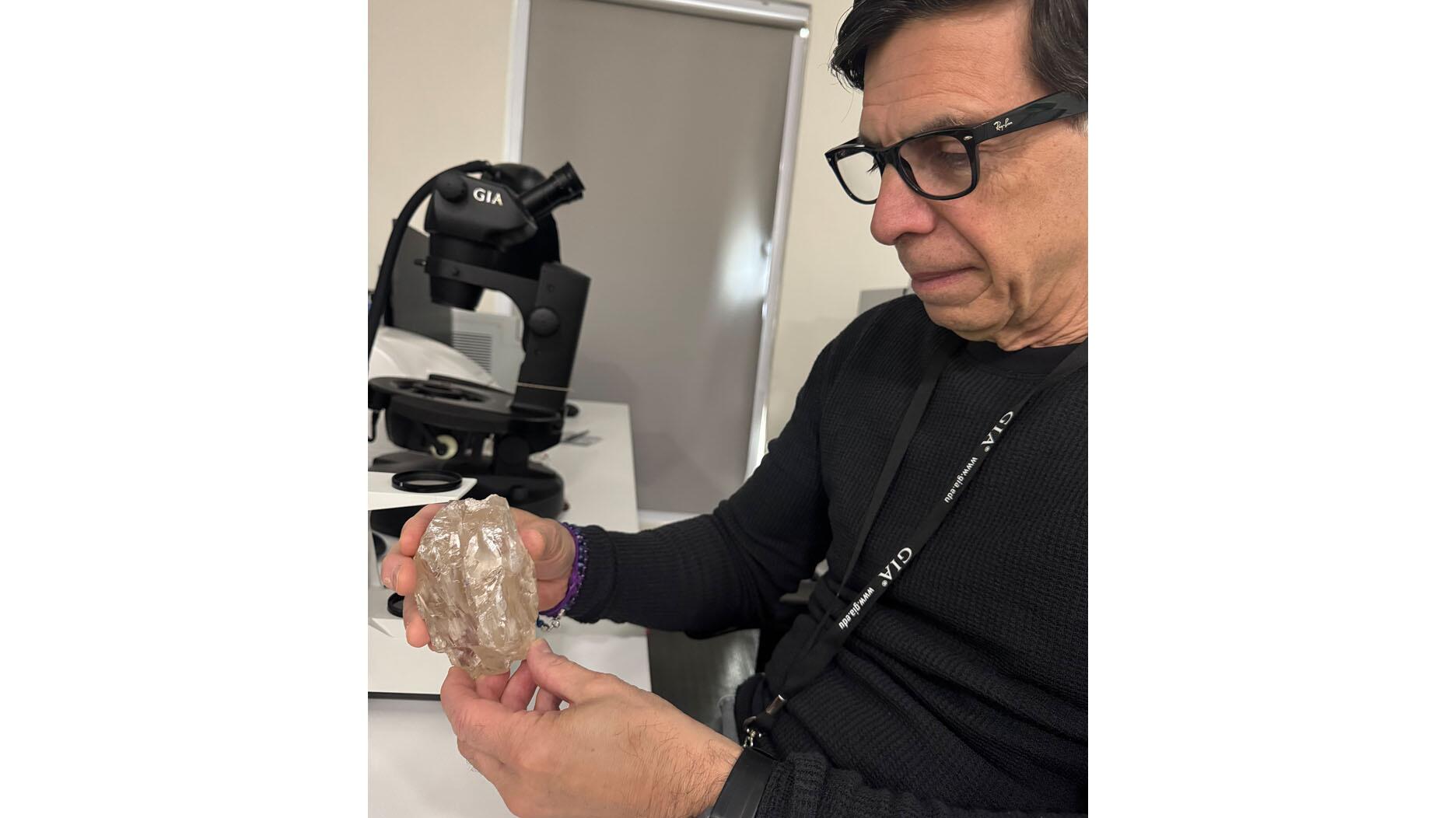
It is the only GIA school to offer the GIA Graduate Gemologist program in Chinese.

The initiative connects veterans and parents returning to the workforce with careers in jewelry retail.

The wholesale manufacturer and precious metals refiner has appointed Michael Angelo as its new national sales representative.

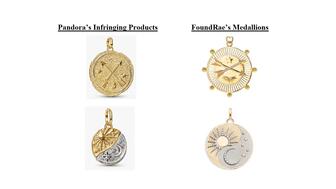
Foundrae also accused the jewelry giant of copying its mood board style of marketing.

A Patek Philippe for Tiffany & Co. timepiece owned by the American businessman who died on the Titanic will be offered at Freeman's Chicago.

The Conference Board’s Consumer Confidence Index edged up, with optimism about the present outweighing worries about the future.

The retailer’s Zach Bear gift comes to life in “Zach Bear and the Window Necklace,” which centers on curiosity, bravery, and helping.

Applications are open for the AGA Gemological Scholarship Program through May 15, and until June 2027 for the Gemological Research Grant.

These customer behavior patterns say a lot about how successful your jewelry store is going to be this year, Emmanuel Raheb writes.

Mejuri’s popular collection of 18-karat yellow gold vermeil rings debuted in sterling silver alongside new “Puzzle” slider charms.

The Miami-based jewelry brand and the NYC-based artist will be in Dallas from April 9-11.

The initiative invites those in the industry to share stories on social media highlighting the meaning and impact of natural diamonds.

Wolk’s first day on the job as CEO of Tracr, De Beers Group’s blockchain platform, will be May 1.

The new catalog, which showcases 35 one-of-a-kind pieces of jewelry, is a compliment to the company’s popular holiday catalog.

Production has ceased at the Canadian diamond mine, which has yielded more than 150 million carats of rough diamonds in its 23-year run.

The store opening marks the 10th United States location for the India-based jewelry retailer.

Two Saks Fifth Avenue locations, one in Florida and one in California, and one Neiman Marcus store are off the chopping block.

West, who started in the art department at the Leading Jewelers Guild in 1979, is remembered for his patience, kindness, and dedication.

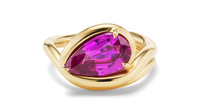
In the “Tesoro” version of the ring, our Piece of the Week, each side of the gold hexagonal nugget has a unique colored gemstone design.



This site uses cookies to give you the best online experience. By continuing to use & browse this site, we assume you agree to our Privacy Policy