

Events & AwardsMay 22, 2026
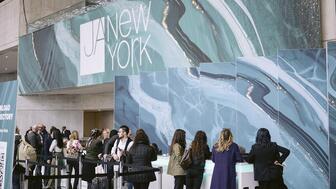
Instore Buys JA New York ShowThe deal closed this week, which means Instore will produce the JA NY show slated to take place this fall.




An affidavit filed Thursday maps out the connection between the Indian diamantaire and his U.S. companies that filed for bankruptcy.


A lot of questions came to mind Tuesday as I was working on the story about the bankruptcy filing of the three U.S. companies—Firestar Diamond Inc., Fantasy Inc. and A. Jaffe—ultimately owned by Nirav Modi, the Indian diamantaire at the center of a $1.8 billion bank fraud scandal.
How are they all connected to Modi? Is it accurate to say that he owns them?
Why a Chapter 11 filing in a case like this, beyond the obvious?
And what will happen to these three companies going forward?
Late Thursday afternoon, an affidavit was filed that helped to answer at least some of my questions.
The Modi Connection
Press reports about the Chapter 11 filings mainly used the word “owned” to link Modi and these U.S. operations, which isn’t inaccurate. But his ownership of the company is neither direct nor simple.
Ian Winters, the New York attorney handling the companies’ Chapter 11 case, said Tuesday that Modi was not an officer or a director in any of the three U.S. companies and was not involved in their day-to-day operation.
A. Jaffe, too, was quick to point out that its team here had no knowledge of what was happening in India. The second sentence of its statement on the bankruptcy filing read: “A. Jaffe and its core team here in the United States want to assure partners and customers that A. Jaffe is not in any way involved with any of the alleged conduct that is the subject of the accusations.”
According to the affidavit, Firestar Diamond Inc. was formed as a Delaware corporation in February 2004 as Jewelry Solutions International Inc. The name of the company changed three times over the next seven years, to Next Diamond Inc. (2005), Firestone Inc. (2007) and, finally in 2011, to the name it has now, Firestar Diamond Inc.
Fantasy Inc. was incorporated in Delaware in 2012 and is a wholly owned subsidiary of Firestar Diamond Inc.
A. Jaffe Inc., which traces its roots back to 1892, incorporated in New York in July 1975 under the name Sandberg & Sikorski Diamond Corp. In 1995, the company dropped the “Diamond” from its name before changing it again in 2011 to A. Jaffe Inc.
Firestar Diamond Inc. is a wholly owned subsidiary of Firestar Group Inc., a Delaware corporation. Firestar Group is owned by another Delaware corporation, Synergies Corp.
Synergies is a wholly owned subsidiary of a Hong

The deal closed this week, which means Instore will produce the JA NY show slated to take place this fall.

The company’s jewelry sales were up in Q4 and the fiscal year, with Richemont raising prices in part because of the cost of gold.

The “Bauble” capsule collection of colorful one-of-a-kinds includes our Piece of the Week, the “Bauble” earrings, featuring rose zircon.

As gold prices rise, today’s retailers are looking for alternatives at prices that will appeal to wider audiences.


The updated catalog has a newly dedicated section for gift wrapping.



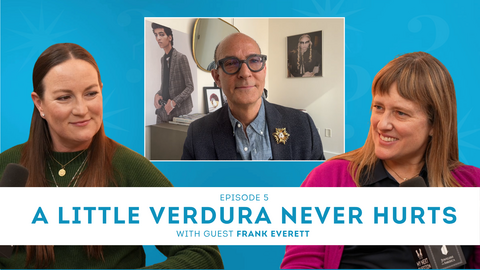
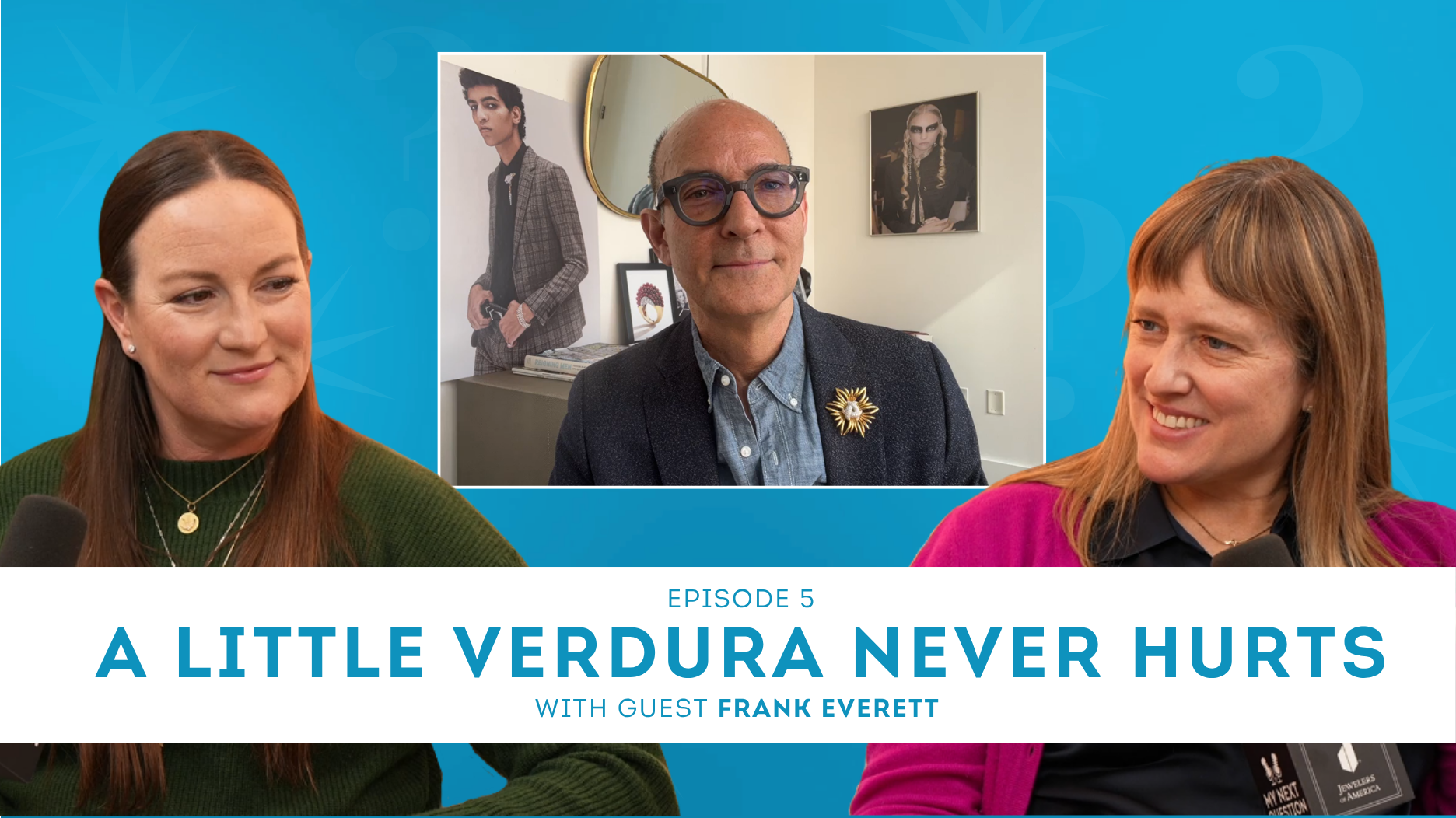
Everett covers colored stones’ surging popularity, the mellow return of the “Mellon Blue,” and his “The Devil Wears Prada” doppelgänger.


Fourth-generation CEO Lilly Mullen wants to emphasize experience, connection, and personalized service.

With the trade and customer trust in mind, GIA® developed NextGem™ – on-demand training designed specifically for retail.


The new award, created in partnership with Henne Jewelers, honors the late designer’s legacy through supporting jewelry education.

The addition of the diamond-producing countries as nation affiliated members broadens the federation’s global representation, WFDB said.

The NYPD is warning elderly New Yorkers to keep their jewelry hidden when walking outside to avoid being a target.

Designer Viviana Langhoff has realized her dream of owning a space for her Chicago jewelry store that looks and feels like her brand.

The sessions will run from Friday, May 29, to Sunday, May 31, with one being a live taping of an episode of Couture’s podcast.

Former Stephanie Gottlieb Fine Jewelry executive Morgan P. Richardson is joining the lab-grown diamond jewelry brand.


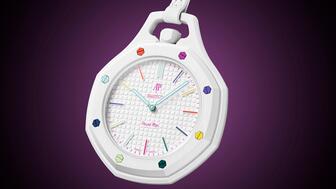
The $400 pocket watch is a blend of Audemars Piguet’s iconic eight-sided Royal Oak and Swatch’s unserious Pop watches from the ‘80s.

With gold prices on the rise, the “Modern Electrum” collection uses an alternative, non-tarnishing metal alloy composed of gold and silver.

Fruchtman Marketing has new owners, Erin Moyer-Carballea and Manuel Carballea, and will relocate to Miami.

In a column for the 2026 State of the Majors issue, Smith lists 10 time-tested principles about sales that still ring true.

In a column for the 2026 State of the Majors issue, Golan spells out how the growing economic divide in the U.S. is reshaping the market.

The “Limitless Expansion of Joy and Hope” collection evokes summer through colored gemstones and motifs of butterflies and florals.

The jewel, circa 1890, is from the late Victorian era and was owned by descendants of the last high king of Ireland.

This is what the nine recipients plan to do with the funds.

The Western star’s 14-karat gold signet ring sold for six times its low estimate following a bidding war at U.K. auction house Elmwood’s.

The discussion, "Rebuilding the Jewelry Workforce," will take place on Saturday, May 16, in Troy, Michigan.

The jewelry industry is reassessing its positioning as Gen Z reshapes the retail landscape and lab grown continues to gain market share.

A matching pair of 18.38-carat, D-color diamonds from Botswana’s Jwaneng mine sold for $3.3 million, the top lot of the jewelry auction.

Sponsored by A Diamond Is Forever



This site uses cookies to give you the best online experience. By continuing to use & browse this site, we assume you agree to our Privacy Policy