






MajorsJun 16, 2026
5 Things to Know About the 2026 NBA Championship TrophyThe New York Knicks took home the Larry O'Brien Trophy crafted by Tiffany & Co.




The statistic was one of many found in a recent survey done for the first edition of the association’s quarterly Consumer View report.


Washington--Despite the increased focus on digital and mobile shopping channels, most consumers still shop in stores primarily, according to a new study from the National Retail Federation.
The NRF just launched Consumer View, a quarterly report designed to gauge consumer behavior and shopping trends.
It partnered with Toluna Analytics to produce the reports, surveying 3,002 consumers between July 20 and 25, and released the first edition with insights into experiences with technology, what brings the younger generation into the store, and what differentiates the online and in-store shopper.
What did the survey uncover about where consumers are shopping today? Among the insights was the fact that brick-and-mortar retail remains an important touchpoint for modern consumers.
In fact, 79 percent of consumers said they purchase half or less of their items online, meaning the majority of them still are primarily in-store shoppers. Only 21 percent indicated that they buy the majority of their goods online.
The latter number, not surprisingly, goes up to 34 percent when isolated to just Generation Z and its slightly older counterpart, Generation Y or the millennials.
However, that doesn’t mean members of these two demographic groups no longer visit stores.
“This report shows that the bricks-and-mortar store is still the cornerstone of American retail and likely will be for many years to come, as consumers seek authentic interaction and experiences with retailers,” NRF President and CEO Matthew Shay said. “Despite the changes in our industry, there is an appeal to seeing and touching merchandise in person and being able to engage with fellow human beings that has yet to go away. Even younger shoppers see the value of the store.”
When it comes to convincing the younger generations to come into the store, the survey shows that they can be swayed to visit physical stores when they are offered a new experience, or to pick up products purchased online.
And, in fact, about half of millennials and Gen Xers surveyed indicated they’re shopping in stores more than they were a year ago.
“Despite the changes in our industry, there is an appeal to seeing and touching merchandise in person and being able to engage with fellow human beings that has yet to go away.”-- Matthew Shay, NRFIn the survey, this holds true across all age groups. Fifty percent of survey-takers said they are visiting physical stores about the same as they used to, with


The New York Knicks took home the Larry O'Brien Trophy crafted by Tiffany & Co.

Associate Editor Natalie Francisco lists the trends she spotted during Jewelry Market Week that will dominate the second half of 2026.

Its app now reflects increased prices for Mozambique ruby, as well as changes to its Burma ruby charts.

DCA is preparing the next generation of professionals by supporting workforce development, leadership growth, and career advancement.


The manufacturer has tapped Alicia Arnold, the former director of custom design at Tiny Jewel Box.


The revamped, elevated space will feature a two-story Patek Philippe atelier and a rooftop patio for parties.

The special-edition piece marks the 140th anniversary of the iconic beverage brand.

As gold prices rise, today’s retailers are looking for alternatives at prices that will appeal to wider audiences.


Here are 13 small charms to inspire your layered looks this summer.

Found by a metal detectorist, the ring likely belonged to a wealthy, possibly royal, owner, said Noonans.

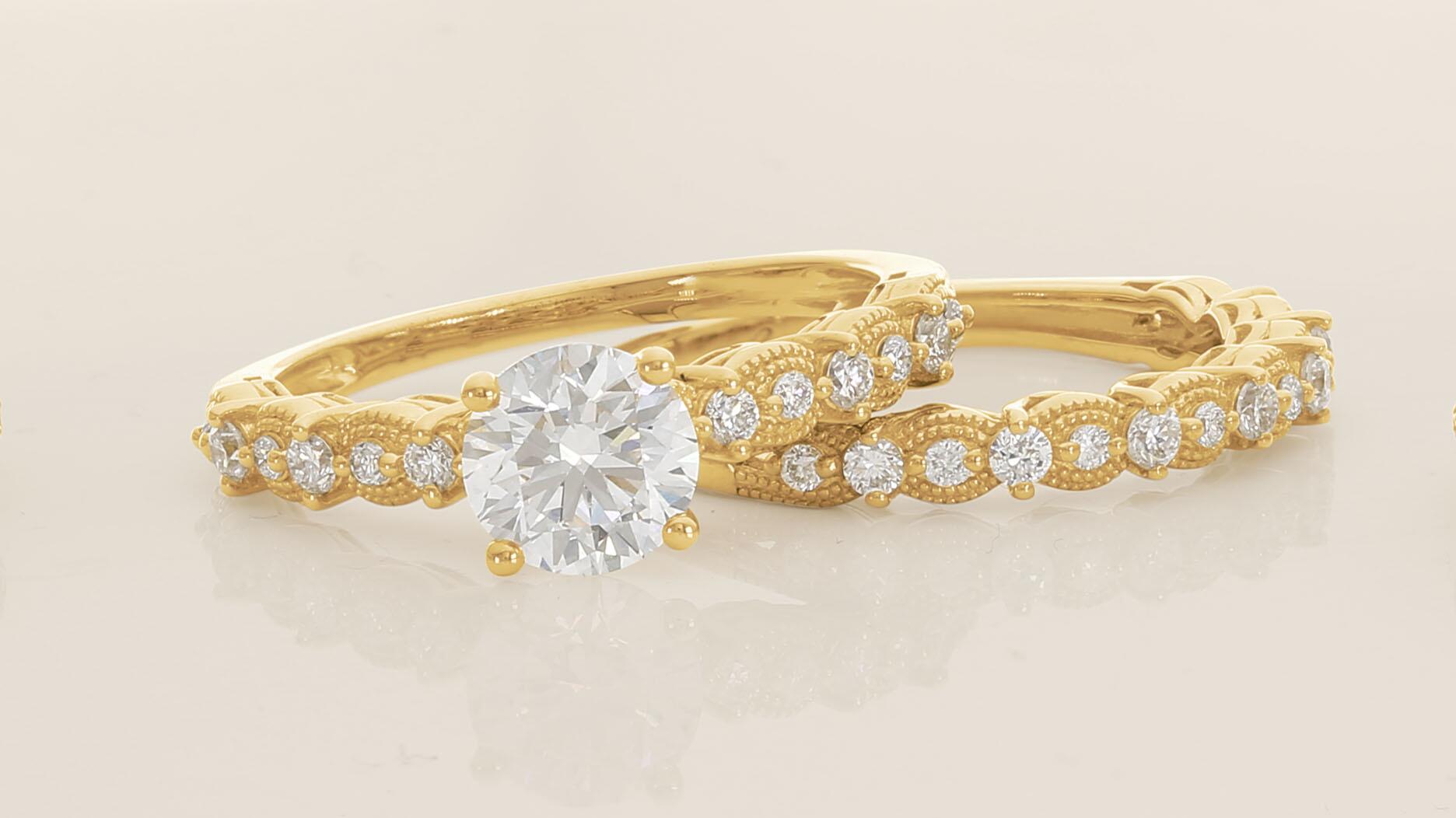
Our Pride Month Piece of the Week, the “Margaux” ring, is part of the wife-and-wife team’s new “Lovestoned” collection.

The group has named the keynote speaker and announced a new pavilion for its next event, which is slated for September.

From lions and hippos to snails and fish, Senior Editor Lenore Fedow wrangles her picks for cutest jewelry critters in Las Vegas.

The big stone will be fashioned into a 20.26-carat diamond in celebration of the retailer’s 100th anniversary this year.

Marie-Laure Cérède will join Chanel as the new director of its jewelry creation studio, starting in October.

At the JCK show, the lab-grown diamond brand teamed up with Jewelers for Children to support Make-A-Wish India.

Ilana McCabe is Signet’s vice president of public relations and brand communications.

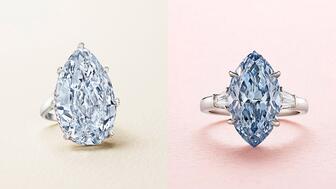
It was a banner day for blue gemstones, with another blue diamond topping $8 million and a 41-carat sapphire going for $2.3 million.

The approval means the retailer is on track to exit bankruptcy proceedings this summer.

The men are believed to be part of the group of several masked suspects that robbed Marc Robinson Jewelers in April.

The bridal-focused brand is also launching its Custom Atelier this summer, a digital custom design tool for its authorized retailers.

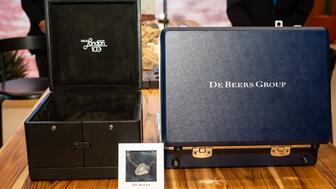
The De Beers Group CEO also discussed tariffs, Desert Diamonds, and the pending sale of De Beers in an interview with Michelle Graff.

The industry veteran is bringing his 56-year run in the fine jewelry sector to an end.

The panel discussion will feature LGBTQ+ leaders across the jewelry, luxury, and creative industries.

Inspired by a locket that got run over, the “Smash” capsule collection reimagines the shape of Lichtenberg’s signature style.

The company has promoted Katherine Whitacre to the role.

The jewelry manufacturer has added Taylor Swift-esque diamond shapes, and more silver, gold vermeil, and gold-plated jewelry.



This site uses cookies to give you the best online experience. By continuing to use & browse this site, we assume you agree to our Privacy Policy