








SurveysFeb 02, 2021
Employees Say Jewelry Industry Has Work to Do on DiversityMajorsDec 19, 2022
Ben Bridge, Cartier, LVMH Join Effort to Combat Racism in Retail
The companies were among the retailers that signed nonprofit Open to All’s charter.


Nonprofit Open to All recently welcomed Ben Bridge, Cartier and LVMH in taking its pledge to combat retail racism.
New York—Nonprofit Open to All recently welcomed 42 new retail brands retailers to its fight against racism in retail, including a few notable jewelry companies.
The companies signed the organization’s “Mitigate Racial Bias in Retail” charter, a commitment to reduce racially biased experiences and unfair treatment in stores and create a more welcoming environment for shoppers.
The fine jewelry sellers that are newcomers to the initiative are Ben Bridge Jeweler, Cartier, and LVMH.
“For 110 years, we have believed in being a part of the fabric of each community in which we operate,” said Lisa Bridge, president and CEO of Ben Bridge Jeweler.
“To us, that means embracing all members of the community and Open to All helps us both communicate that and to continue to learn and grow.”
Other new signees include CBL Properties, Glossier, The Body Shop, Yelp, and URBN, the parent company of Anthropologie, Free People, Nuuly, and Urban Outfitters.
The charter was launched in May by Open to All and LVMH-owned Sephora after the beauty company commissioned its “Racial Bias in Retail” study, which explored how shoppers who are Black, Indigenous, and People of Color (BIPOC) are discriminated against in stores.
In 2019, Sephora closed its stores for an hour to host an “inclusivity workshop” after R&B star SZA, who is a Black woman, said an employee in a California location told a security guard to follow her to make sure she wasn’t stealing.
The company issued an apology and has since taken steps to combat racial profiling and discrimination in its stores.
Two in five U.S. shoppers surveyed for the report said they have personally experienced unfair treatment based on their race or skin tone. BIPOC shoppers were three times more likely than white shoppers to feel judged based on their appearance.
The charter began with 28 retailers on board and now has the support of more than 200 national and state public education organizations and elected officials as well as thousands of businesses and nonprofit service providers.
Tiffany & Co., Movado Group, Michele, and Watch Station International joined the pledge previously.
A full list of members is available on the organization’s website.
“This cross-collaboration is key in working to address and prevent systemic racism in U.S. retail environments and the culture at-large,” said George-Axelle Broussillon Matschinga, vice president of diversity, equity, and inclusion at Sephora.
Since the charter’s founding, the nonprofit said it has been contacted by more retailers who are aware of how pervasive discrimination is in retail and want to help address the problem and create welcoming spaces for their customers.
“LVMH is proud to sign the Mitigate Racial Bias in Retail Charter alongside many of our maisons, including the co-initiator Sephora, to drive lasting change in the retail industry,” said Anish Melwani, chairman and CEO of LVMH North America.
“LVMH creates products that maintain a standard of excellence by bringing together diverse talent, skills, and experiences to serve all of our customers. Signing the charter is an actionable step in our ongoing commitment to eradicating racism from the retail experience and ensuring that all of our customers feel valued and respected in our stores.”
Open to All Director Calla Rongerude expressed her gratitude to the retail partners, noting that a key factor in eliminating racism in retail is preventing exclusionary treatment before shoppers even get to the store.
“Open to All is grateful to our corporate and nonprofit partners, who are demonstrating a commitment to training their workforce, diversifying marketing and product assortment, and taking other tangible steps that create a culture of belonging for BIPOC shoppers and employees,” she said.
Related stories will be right here …
The companies signed the organization’s “Mitigate Racial Bias in Retail” charter, a commitment to reduce racially biased experiences and unfair treatment in stores and create a more welcoming environment for shoppers.
The fine jewelry sellers that are newcomers to the initiative are Ben Bridge Jeweler, Cartier, and LVMH.
“For 110 years, we have believed in being a part of the fabric of each community in which we operate,” said Lisa Bridge, president and CEO of Ben Bridge Jeweler.
“To us, that means embracing all members of the community and Open to All helps us both communicate that and to continue to learn and grow.”
Other new signees include CBL Properties, Glossier, The Body Shop, Yelp, and URBN, the parent company of Anthropologie, Free People, Nuuly, and Urban Outfitters.
The charter was launched in May by Open to All and LVMH-owned Sephora after the beauty company commissioned its “Racial Bias in Retail” study, which explored how shoppers who are Black, Indigenous, and People of Color (BIPOC) are discriminated against in stores.
In 2019, Sephora closed its stores for an hour to host an “inclusivity workshop” after R&B star SZA, who is a Black woman, said an employee in a California location told a security guard to follow her to make sure she wasn’t stealing.
The company issued an apology and has since taken steps to combat racial profiling and discrimination in its stores.
Two in five U.S. shoppers surveyed for the report said they have personally experienced unfair treatment based on their race or skin tone. BIPOC shoppers were three times more likely than white shoppers to feel judged based on their appearance.
The charter began with 28 retailers on board and now has the support of more than 200 national and state public education organizations and elected officials as well as thousands of businesses and nonprofit service providers.
Tiffany & Co., Movado Group, Michele, and Watch Station International joined the pledge previously.
A full list of members is available on the organization’s website.
“This cross-collaboration is key in working to address and prevent systemic racism in U.S. retail environments and the culture at-large,” said George-Axelle Broussillon Matschinga, vice president of diversity, equity, and inclusion at Sephora.
Since the charter’s founding, the nonprofit said it has been contacted by more retailers who are aware of how pervasive discrimination is in retail and want to help address the problem and create welcoming spaces for their customers.
“LVMH is proud to sign the Mitigate Racial Bias in Retail Charter alongside many of our maisons, including the co-initiator Sephora, to drive lasting change in the retail industry,” said Anish Melwani, chairman and CEO of LVMH North America.
“LVMH creates products that maintain a standard of excellence by bringing together diverse talent, skills, and experiences to serve all of our customers. Signing the charter is an actionable step in our ongoing commitment to eradicating racism from the retail experience and ensuring that all of our customers feel valued and respected in our stores.”
Open to All Director Calla Rongerude expressed her gratitude to the retail partners, noting that a key factor in eliminating racism in retail is preventing exclusionary treatment before shoppers even get to the store.
“Open to All is grateful to our corporate and nonprofit partners, who are demonstrating a commitment to training their workforce, diversifying marketing and product assortment, and taking other tangible steps that create a culture of belonging for BIPOC shoppers and employees,” she said.
Since June, the nonprofit has held monthly meetings to track the impact of its initiatives.
The group also works with loss prevention departments to address harassment, racial profiling, and bias in their practices.
Each month, experts and guest speakers join from Sephora, Diversity Best Practices, and Mentor Spaces to share their expertise with the participating retailers.
Charter members gathered in San Francisco in October to collaborate and set goals for the upcoming year.
The charter has three key focus areas.
First, there is a goal of increasing diversity across marketing, products, branding, and the workforce to prevent discriminatory treatment.
Secondly, retailers should educate employees about the experiences of shoppers of color so employees can better interpret their interactions with BIPOC customers.
Lastly, the charter asks retailers to implement a feedback mechanism to improve customer service and help create a more inclusive shopping experience.
Prior to the October meeting, members were asked to complete a survey.
The survey found that 44 percent of respondents signed the charter with the hopes of creating a collective impact at the industry level while 28 percent wanted to change the in-store shopping experience.
Twenty-two percent said their primary motivation was learning and sharing best practices.
As for training, 59 percent of respondents said they had used or planned to use Open to All’s Reduce Racial Bias in Retail training.
The two-hour training, released in June, is a mix of live instruction and self-taught learning to educate employees on racial bias in retail settings, providing practical strategies to decrease those incidents and promote inclusivity.
Non-retail companies, institutions, NGOs, and nonprofits can also take the Open to All pledge.
For more information or to join, visit the Open to All website.
Editors' Picks
Sponsored by

More on Majors




The Latest


CrimeAug 31, 2026
$4M Van Cleef & Arpels Diamond Necklace Snatched From Vienna Museum Once the property of an Egyptian queen, the necklace was part of a larger exhibition of VCA jewelry at the Museum of Applied Arts (MAK).


GradingAug 31, 2026
GIA, Gübelin Gem Lab Confirm New Paraíba Tourmaline Deposit in EthiopiaThe labs’ separate investigations each determined that the East African country is producing copper-bearing tourmaline.


Events & AwardsAug 31, 2026
Wisconsin Museum to Host Jewelry Exhibition“Chicago Collects: Jewelry in Perspective” at the Oshkosh Public Museum will feature works by Fabergé, Lalique, and Louis Comfort Tiffany.

Brought to you by
Your Piece Could Be the One Editors Talk AboutSubmit your pieces for a chance to win in this year's competition.


CollectionsAug 31, 2026
Catbird Launches First Men’s Jewelry CollectionThe “Worn Well” collection is Catbird's take on classic men's jewelry.

Weekly QuizAug 27, 2026
This Week’s QuizTest your jewelry news knowledge by answering these questions.


CollectionsAug 28, 2026
Dolly Parton Would Have Loved This Butterfly Necklace This Buddha Mama butterfly is our Piece of the Week honoring the legend, who embraced the beautiful insect as her symbol.

SourcingAug 28, 2026
Gareth Penny to Give Opening Speech at CIBJO Centenary CongressThe former De Beers CEO, and perhaps its next owner, will be a featured speaker at the event, slated for Sept. 4-7 in Italy.

Brought to you by
Why More Jewelry Retailers Are Hosting Turnkey Estate Buying EventsRetailers are seeking new ways to attract customers, increase traffic, and create revenue – Estate buying events are a popular solution.


IndependentsAug 28, 2026
Day’s Jewelers Honored With 3 Workplace AwardsThe employee-owned jeweler was named a “Best Place to Work” in Maine, New Hampshire, and for women.

CollectionsAug 27, 2026
Pandora Expands ‘Talisman’ Collection as Lawsuit Continues The second iteration of the jewelry collection was inspired by the zodiac and the four elements: earth, water, air and fire.

SourcingAug 27, 2026
OFAC Renews License Allowing Import of ‘Grandfathered’ Russian Diamonds General License 104B supersedes General License 104A, which was set to expire on Sept. 1.

CrimeAug 27, 2026
Customs Seizes Nearly 900 Pieces of Counterfeit JewelryThe package, intercepted in Indianapolis, contained fake Cartier, Tiffany & Co., and Van Cleef and Arpels jewelry.

IndependentsAug 27, 2026
Jessica McCormack to Open First West Coast StoreThe new location in Costa Mesa, California, marks the brand’s second store in the United States and fourth standalone location worldwide.
FinancialsAug 27, 2026
Movado’s Q2 Sales Up As Younger Consumers Take Interest in WatchesThe fashion watch category was once threatened by the Apple Watch, but consumers are now opting for new wearables, said Movado’s CEO.
SurveysAug 26, 2026
5 Jewelry Insights From The RealReal’s Resale ReportThe report delves into trending styles, the most popular jewelry brands by city, and why Belle Époque jewelry could be the next big thing.

Lab-GrownAug 26, 2026
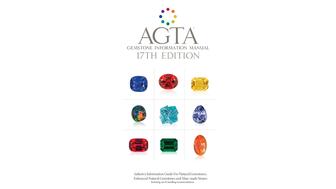
AGTA Now Requiring Members to Call Lab-Grown Gems ‘Synthetic’The association added the requirement to its revised "Code of Ethics" and released the 17th edition of its “Gemstone Information Manual.”

SurveysAug 26, 2026
Consumer Confidence Dips in August Amid Anticipatory Anxieties Respondents were concerned about the future of the labor market and their income as well as the rising prices of gas and groceries.

TrendsAug 26, 2026
Boucheron’s New Campaign Celebrates Its ‘Question Mark’ NecklacesThe campaign highlights the asymmetrical high jewelry necklace style that the jeweler first created in 1879.

Events & AwardsAug 26, 2026
Harry Winston Exhibition to Open in ShanghaiIt will explore the life of “The King of Diamonds” and showcase more than 165 creations from the brand.

CrimeAug 25, 2026
Florida Woman Scammed Out of $1.5M in Jewelry, Precious MetalsTwo suspects have been arrested in connection with the complex phone scam.

ColumnistsAug 25, 2026
Proof Before Purchase: The Gen Z Way to BuyIn her first column for National Jeweler, Jennifer Shaheen asks jewelers if they know how to connect with the next generation of consumers.


Events & AwardsAug 25, 2026
SSEF Opens 2026 Applications for Gemology Education ScholarshipsThe annual awards cover tuition for an on-site educational course at the Swiss lab, as well as flights and lodging.
TrendsAug 25, 2026
Brent Neale Celebrates Blackberry Farm’s Anniversary With JewelryThe jeweler partnered with the Tennessee resort to honor its 50th anniversary with limited-edition blackberry pendants and earrings.

EditorsAug 24, 2026
Q&A: Reeds Jewelers VP Genna Zimmer on 80 Years in BusinessThe third-generation jeweler shared how the North Carolina retailer is celebrating this milestone and the love story that started it all.

Events & AwardsAug 24, 2026
Rio Grande, MetalWerx Host Argentium Silver WorkshopThe class, led by renowned metalsmith Cynthia Eid, highlighted Argentium silver as an alternative to gold amid high prices.

Events & AwardsAug 24, 2026
JIS Miami Opens Fall 2026 RegistrationThe show is slated for Oct. 16-19 at the Miami Beach Convention Center.

CollectionsAug 24, 2026
Francesca Villa Honors Napoleon, His Empresses In New CapsuleThe “Empresses” capsule uses 19th-century medals depicting Napoleon, Joséphine, and Marie-Louise across five one-of-a-kind pieces.