




SurveysJan 09, 2026
U.S. Holiday Retail Sales Up 4%, Visa, Mastercard SayColumnistsJan 13, 2026
2025 Was a ‘Price Up, Units Down’ Year, Here’s What That Signals for 2026
In a market defined by more selective consumers, Sherry Smith shares why execution will be independent jewelers’ key to growth this year.


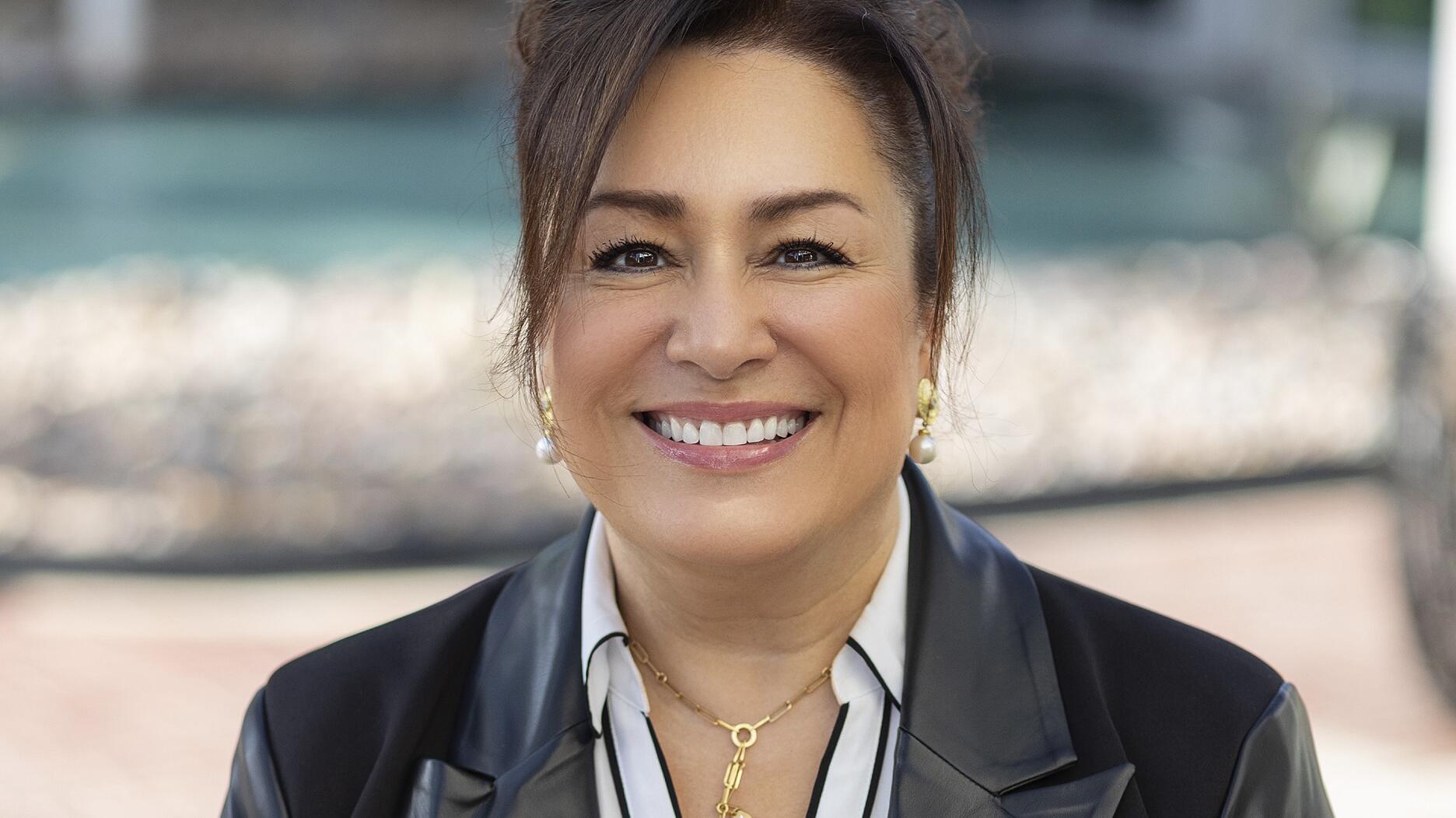
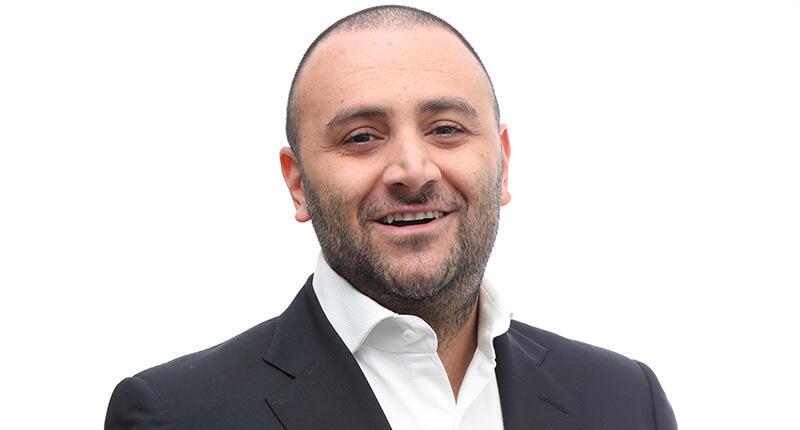
Sherry Smith is vice president of coaching strategy and development at the Edge Retail Academy, the leading jewelry business consulting and data aggregation firm. She can be reached at sherry@edgeretailacademy.com.
At first glance, 2025 appeared to be a solid year for independent jewelers.
According to aggregated Edge Retail Academy (ERA) data, gross sales increased 4.7 percent year over year, and gross profit also rose, signs of continued resilience in a challenging retail environment.
But when we move beyond the headline figures and examine how those results were achieved, a more nuanced and instructive story emerges, one that matters greatly as jewelers plan for 2026.
The truth beneath the headlines: Growth in 2025 was price driven, not demand driven.
Over the full year, ERA data shows the following.
• Gross sales: +4.7 percent
• Units sold: −5.6 percent
• Average retail sale (ARS): +10.9 percent
• Gross profit: +5.5 percent
• Gross margin: Modestly higher year over year
This combination of sales dollars rising while units fall is a classic indicator of growth driven by pricing and product mix, not by increased transaction volume or store traffic.
Consumers did not disappear in 2025, but they did become more selective. Retailers often had to work harder for each sale.
Importantly, unit declines were not isolated to one or two weak periods throughout the year. Units trended lower across much of 2025, including the fourth quarter, traditionally the strongest period for transaction volume.
That consistency reinforces that this was not a temporary disruption, but a structural shift in buying behavior.
Traffic pressure adds context to declining units.
Independent jewelers were not operating in isolation. Broader retail indicators point to ongoing pressure on physical store traffic.
Sensormatic Solutions projected U.S. in-store holiday traffic to finish flat to down roughly 3 percent and noted that traffic was already trending modestly lower for much of the year.
When fewer shoppers are walking through the door, performance depends less on volume and more on conversion, average ticket, and repeat visits. The unit trends in ERA’s data align closely with that reality.
Category performance reinforces the same theme.
Across major jewelry categories, a consistent pattern emerged in 2025. Unit volume declined broadly while average ticket increased, reinforcing the theme of price-driven growth rather than demand-led expansion.
Here’s a category-by-category breakdown of what ERA data shows for the year.
• Diamonds overall finished the year essentially flat in dollar sales (down less than 1 percent) even as units declined more than 6 percent and average ticket increased nearly 5 percent.
• Bridal diamond categories experienced greater softness, with sales down nearly 3 percent. This performance appears consistent with price compression across both natural and lab-grown diamonds throughout the year, which weighed on dollar results even where unit declines were more moderate.
• Non-bridal diamond categories managed modest growth (just over 1 percent) despite units declining nearly 8 percent, supported by a meaningful increase in average ticket.
• Colored stone jewelry stood out, with sales up just over 4 percent and average ticket rising nearly 12 percent even as units declined close to 8 percent. This suggests that when consumers did purchase, they gravitated toward more expressive, higher-value pieces rather than entry-level items.
• Precious metal jewelry without stones delivered one of the clearest examples of price-driven growth. Sales increased nearly 5 percent while units declined close to 17 percent, and average ticket jumped more than 20 percent, reflecting higher metal prices and mix shift.
• Watches were among the few categories where unit volume held relatively steady. Sales increased nearly 5 percent, though gross margins compressed year over year, underscoring that revenue growth does not automatically translate to profit growth.
• Repairs and services remained a bright spot, with sales up more than 14 percent, reinforcing the stabilizing role service revenue plays when discretionary purchasing softens.
Here’s a closer look at the diamond market.
• Natural diamond categories declined approximately 2 percent in gross sales and 10 percent in units, despite a nearly 9 percent increase in average retail sale.
• Lab-grown diamond categories posted strong top-line growth, with sales up roughly 13 percent and units up 19 percent, even as average retail declined by about 5 percent.
• Completed bridal rings showed clear divergence by diamond type. Natural diamond engagement rings were down roughly 4 percent in sales and 2 percent in units, with average retail also declining.
Meanwhile, lab-grown engagement rings significantly outperformed, with gross sales up approximately 31 percent, units up 30 percent, and average retail modestly higher (just under 1 percent).
According to aggregated Edge Retail Academy (ERA) data, gross sales increased 4.7 percent year over year, and gross profit also rose, signs of continued resilience in a challenging retail environment.
But when we move beyond the headline figures and examine how those results were achieved, a more nuanced and instructive story emerges, one that matters greatly as jewelers plan for 2026.
The truth beneath the headlines: Growth in 2025 was price driven, not demand driven.
Over the full year, ERA data shows the following.
• Gross sales: +4.7 percent
• Units sold: −5.6 percent
• Average retail sale (ARS): +10.9 percent
• Gross profit: +5.5 percent
• Gross margin: Modestly higher year over year
This combination of sales dollars rising while units fall is a classic indicator of growth driven by pricing and product mix, not by increased transaction volume or store traffic.
Consumers did not disappear in 2025, but they did become more selective. Retailers often had to work harder for each sale.
Importantly, unit declines were not isolated to one or two weak periods throughout the year. Units trended lower across much of 2025, including the fourth quarter, traditionally the strongest period for transaction volume.
That consistency reinforces that this was not a temporary disruption, but a structural shift in buying behavior.
Traffic pressure adds context to declining units.
Independent jewelers were not operating in isolation. Broader retail indicators point to ongoing pressure on physical store traffic.
Sensormatic Solutions projected U.S. in-store holiday traffic to finish flat to down roughly 3 percent and noted that traffic was already trending modestly lower for much of the year.
When fewer shoppers are walking through the door, performance depends less on volume and more on conversion, average ticket, and repeat visits. The unit trends in ERA’s data align closely with that reality.
Category performance reinforces the same theme.
Across major jewelry categories, a consistent pattern emerged in 2025. Unit volume declined broadly while average ticket increased, reinforcing the theme of price-driven growth rather than demand-led expansion.
Here’s a category-by-category breakdown of what ERA data shows for the year.
• Diamonds overall finished the year essentially flat in dollar sales (down less than 1 percent) even as units declined more than 6 percent and average ticket increased nearly 5 percent.
• Bridal diamond categories experienced greater softness, with sales down nearly 3 percent. This performance appears consistent with price compression across both natural and lab-grown diamonds throughout the year, which weighed on dollar results even where unit declines were more moderate.
• Non-bridal diamond categories managed modest growth (just over 1 percent) despite units declining nearly 8 percent, supported by a meaningful increase in average ticket.
• Colored stone jewelry stood out, with sales up just over 4 percent and average ticket rising nearly 12 percent even as units declined close to 8 percent. This suggests that when consumers did purchase, they gravitated toward more expressive, higher-value pieces rather than entry-level items.
• Precious metal jewelry without stones delivered one of the clearest examples of price-driven growth. Sales increased nearly 5 percent while units declined close to 17 percent, and average ticket jumped more than 20 percent, reflecting higher metal prices and mix shift.
• Watches were among the few categories where unit volume held relatively steady. Sales increased nearly 5 percent, though gross margins compressed year over year, underscoring that revenue growth does not automatically translate to profit growth.
• Repairs and services remained a bright spot, with sales up more than 14 percent, reinforcing the stabilizing role service revenue plays when discretionary purchasing softens.
Here’s a closer look at the diamond market.
• Natural diamond categories declined approximately 2 percent in gross sales and 10 percent in units, despite a nearly 9 percent increase in average retail sale.
• Lab-grown diamond categories posted strong top-line growth, with sales up roughly 13 percent and units up 19 percent, even as average retail declined by about 5 percent.
• Completed bridal rings showed clear divergence by diamond type. Natural diamond engagement rings were down roughly 4 percent in sales and 2 percent in units, with average retail also declining.
Meanwhile, lab-grown engagement rings significantly outperformed, with gross sales up approximately 31 percent, units up 30 percent, and average retail modestly higher (just under 1 percent).
There were macro forces behind higher tickets; here’s why they matter for 2026.
Many jewelers attribute 2025’s higher average tickets to rising costs and pricing realities, particularly around gold. That interpretation aligns with the broader macro narrative.
The World Gold Council’s outlook for 2026 highlights ongoing economic and geopolitical uncertainty as factors likely to keep gold elevated and volatile rather than reverting quickly to historical norms.
Reuters has reinforced this view, reporting that Morgan Stanley forecast that gold price could reach $4,800 per ounce by late 2026, underscoring how mainstream the “higher-for-longer gold” thesis has become.
Tariff-related uncertainty also remains part of the business-planning environment.
Jewelers of America has cautioned that broad tariffs can materially affect jewelry supply chains, pricing structures, and competitiveness.
Even without definitive outcomes, uncertainty itself creates operational pressure, particularly around inventory commitments, sourcing strategies, and margin protection.
“Consumers may still spend, but they are likely to do so more selectively.” — Sherry Smith
The final and perhaps most important driver is consumer psychology.
Deloitte’s U.S. outlook expects real consumer spending growth to slow to approximately 1.6 percent in 2026, restrained by inflation, a weakening labor market, and slower asset price growth.
In practical terms, consumers may still spend, but they are likely to do so more selectively.
Retailers will feel that selectivity show up in store traffic, closing rates, and item count per transaction.
2026 will be a “sorting year” that rewards execution.
The most realistic base case for 2026 is not a collapse, but it is also not a return to easy growth.
With consumer spending expected to moderate (per Deloitte) and traffic pressure still part of the retail landscape (per Sensormatic), 2026 is shaping up to be a “sorting year.”
The winners will be the retailers who treat fundamentals as non-negotiable.
1. Conversion rate becomes the growth engine.
When units are down, conversion is the fastest and most controllable lever. Improving conversion rates by even a few points can materially offset traffic declines without increasing marketing expenses.
2. Clienteling shifts from “nice-to-have” to a business model.
If customers are visiting less frequently, proactive outreach, appointment-setting, and reactivation strategies are essential to protect sales frequency and lifetime value.
3. Inventory discipline matters more in a higher-cost world.
In a high-gold, cost-volatile environment, aged inventory becomes an expensive risk. Clean assortments, faster turns, and tighter open-to-buy strategies protect both cash flow and margin.
4. Services and repairs are strategic, not secondary.
Repair performance in the data reinforces an important truth—service revenue can stabilize results when discretionary units soften and can also seed future sales through trust, repeat visits, and deeper relationships.
Execution, not optimism, will define 2026.
If 2025 proved anything, it’s that independent jewelers can grow in a constrained environment, but the formula is changing.
With traffic under pressure and consumer growth expected to moderate, the retailers who outperform in 2026 will be the ones who move from hope-based retail to precision retail—better conversion, stronger follow-up, disciplined buying, and service culture that drives repeat visits.
The opportunity is real. When customers are selective, they gravitate toward trust, expertise, and meaning, and independents own that space.
The takeaway for 2026 is simple. Planning should emphasize the controllables: conversion, clienteling, and inventory discipline.
In a selective-demand environment, execution isn’t a tactic. It’s the strategy.
Editors' Picks
Sponsored by


More on Columnists


The Latest

IndependentsOct 14, 2026
Retailer Hall of Fame 2026: Coleman and Mitchell ClarkFourth-generation jewelers Coleman and Mitchell Clark exemplify the best qualities of their predecessors: humility, modesty, and confidence.


SourcingOct 14, 2026
Manuel Marcial de Gomar, ‘The Emerald Whisperer,’ Dies at 90The gem hunter, whose 70-year career was defined by adventure and exploration, is remembered for his steadfast faith and sense of wonder.

FinancialsOct 14, 2026
LVMH’s Jewelry Brands Turn in ‘Very Good’ Performance in Q3 Tiffany & Co. continued its full-scale store renovation project while Bulgari’s high jewelry collection generated “record-breaking revenue.”


Brought to you by
Meet Gemology’s Next Generation Microscope: GIA® Gemolite® NXT Professional EditionExperience gemstones with greater precision and comfort than ever before.


Events & AwardsOct 14, 2026
Chicago Responsible Jewelry Conference Releases 2026 ProgramThis year’s sessions feature leading voices from human rights, legal, and conservation organizations.

Weekly QuizOct 08, 2026
This Week’s QuizTest your jewelry news knowledge by answering these questions.


MajorsOct 13, 2026
David Webb Owner Purchases Lugano JewelryThe high-end jewelry retailer was sold to private investment firm Middle West Partners and a group of longtime clients.

Lab-GrownOct 13, 2026
Stephanie Gottlieb Takes Lab-Grown Diamond Collection WholesaleThe jewelry designer has partnered with Sofer Jewelry to distribute her 85-piece lab-grown diamond collection.
Brought to you by
Your Piece Could Be the One Editors Talk AboutSubmit your pieces for a chance to win in this year's competition.


IndependentsOct 13, 2026
Retailer Hall of Fame 2026: Sean DunnDunn, this year’s Single-Store Independent inductee, is passionate about innovation and telling the story of natural diamonds.

AuctionsOct 13, 2026
Christie's Geneva To Auction 'Bulgari Pink' DiamondThe 24-carat fancy intense pink diamond ring could fetch up to $18 million at the November sale.

IndependentsOct 13, 2026
Greenwich St. Jewelers’ New Candle Smells Like HomeThe “Island Jewel” candle honors New York City and Puerto Rico and raises money for the island’s water relief efforts.
TechnologyOct 13, 2026
GemFind Is a New JA Member Benefit Partner The partnership will give JA members access to preferred pricing, exclusive benefits, technology solutions, education, and resources.

SurveysOct 09, 2026
These Will Be the 10 Busiest Days for In-Store Shopping This Holiday SeasonStores should expect to see the most customers on Nov. 27, and Christmas week is expected to be hectic too, as Dec. 25 falls on a Friday.

CollectionsOct 09, 2026
Elisa Solomon Collabs With Serendipity 3 on ‘Frozen Hot Chocolate’ CharmThe charm, our Piece of the Week, features brown diamond frozen hot chocolate topped with white diamond whipped cream and a ruby straw.

AuctionsOct 09, 2026
8-Carat Blue Diamond Goes Unsold at UK Jewelry Auction The top lot of Elmwood’s recent fine jewelry sale in London was a 1.84-carat, D color Tiffany & Co. solitaire diamond ring.

WatchesOct 09, 2026
Movado to Sell Majority Stake in Ebel for $66.5MThe watch company agreed to sell a 95 percent interest to a group comprised of F.P. Journe, Chanel, and Swiss watch exec Pierre Jacques.

Policies & IssuesOct 08, 2026
Third Wave of IEEPA Tariff Refunds Begins This round of tariff refunds is for importers that have sued over IEEPA tariffs in the Court of International Trade and won.

CollectionsOct 08, 2026
Brent Neale’s New Collection Goes ‘Back to Basics’It revisits the brand’s most requested silhouettes, from "Pillow"-set necklaces and bracelets to "Signature"-set rings and earrings.

SourcingOct 08, 2026
Ethical Gem Fair Heads Back to BrooklynThe trade-only event includes buying opportunities as well as educational sessions on artisanal mining, the new Paraíba source, and more.

Events & AwardsOct 08, 2026
Pattons Fine Jewelry Sweeps Local Design ContestAra Chanakian, a jeweler at Pattons, took home top honors in every category at Jewelers of Louisiana’s annual jewelry design competition.

AuctionsOct 08, 2026
Reba McEntire’s Jewelry, Watches Head to Julien’s AuctionsThe live charity benefit sale in Nashville will also feature gowns, boots, and other memorabilia from the country music legend.


Supplier BulletinOct 08, 2026
Overnight Mountings’ Bridal Builder Helps Jewelers Turn Custom Design into a Hands-On Selling ExperienceSponsored by Overnight Mountings

Policies & IssuesOct 07, 2026
The Plumb Club Amplifies Its Voice as Geopolitical Pressures MountThe supplier organization recently joined JA and JVC to have more input on political issues affecting the jewelry industry.

CollectionsOct 07, 2026
Blue Nile, Royal Asscher Collection Highlights Natural Diamond BeautyBlue Nile, a Signet Jewelers-owned brand, is now Royal Asscher’s exclusive licensed retailer in North America.

CollectionsOct 07, 2026
4 Standout Pieces in Audemars Piguet’s First High Jewelry Collection “Royal Oak” pays homage to the brand’s most popular watch model using 18-karat gold as well as diamonds, emeralds, and sapphires.

MajorsOct 07, 2026
Empire Safe & Vault Promotes Juan Morales to CEOAs part of the transition, Joseph Nicosia has stepped into the role of COO.

SourcingOct 07, 2026
AGTA Extends Deadline for 2026 Spectrum Awards EntriesParticipants now have until Oct. 14 to complete their submissions.